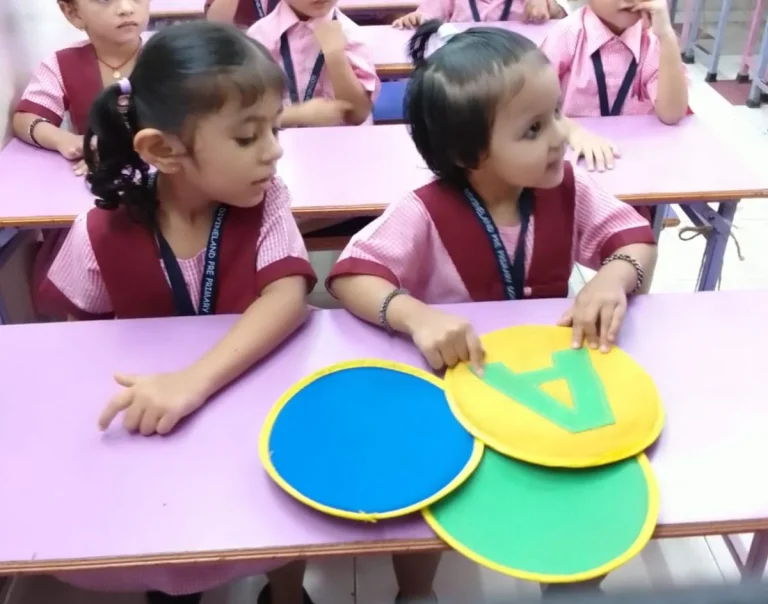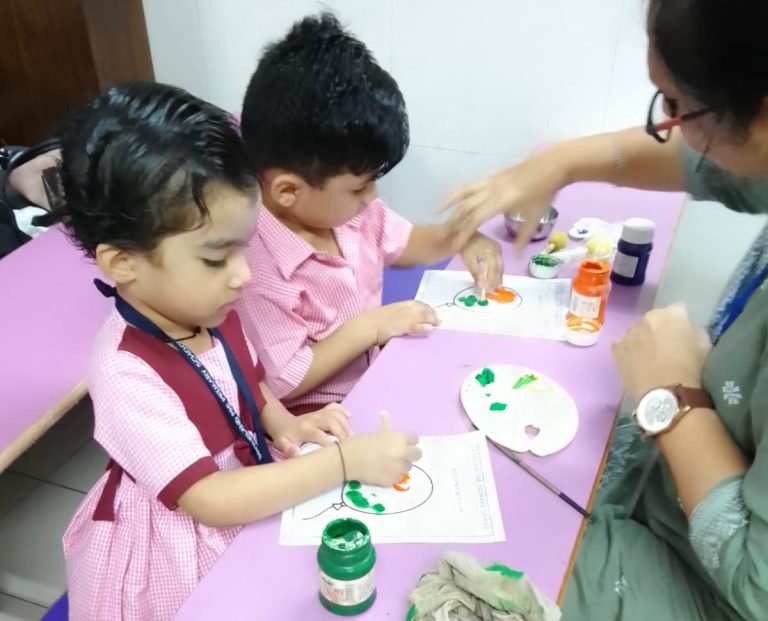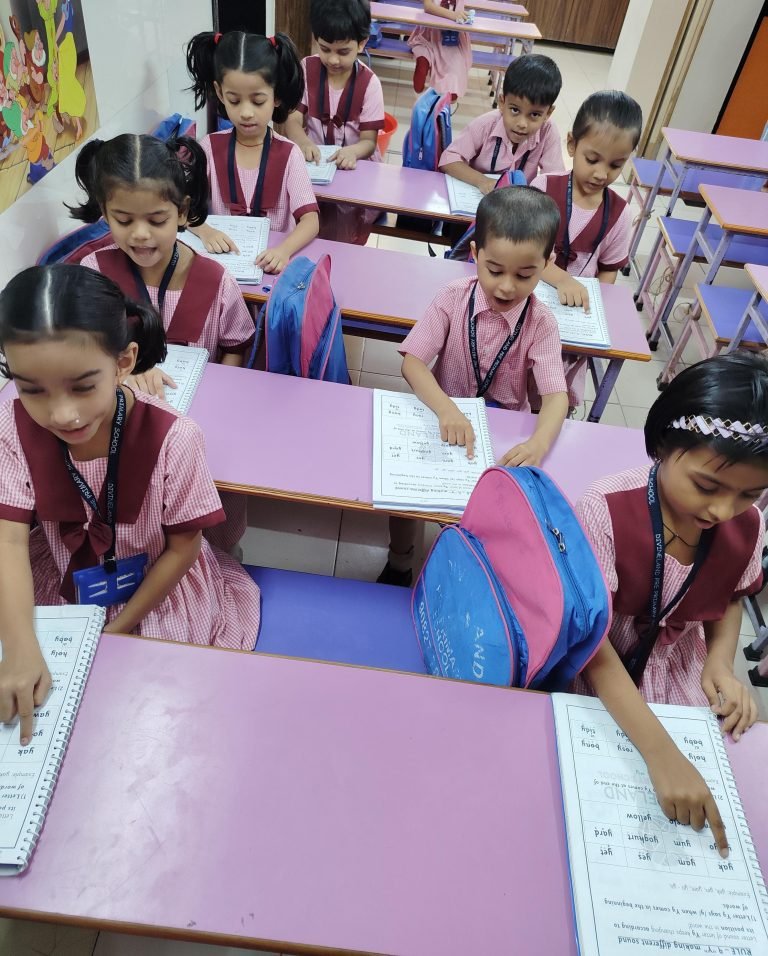
Reading readiness is a key stage in getting children ready to read and write. At this point, kids start to learn basic things like how to recognize sounds, interpret simple words, and be interested in stories.
Building Reading Readiness doesn’t imply forcing kids to read early. Instead, it means encouraging their natural curiosity with fun and interesting activities. Reading Readiness can help kids build confidence, get better at listening, and set the stage for future learning if it is done the right way.
Importance of Early Reading Skills
Reading Readiness helps a child flourish from the very beginning by helping them learn to read early on. Kids are better at recognizing sounds, letters, and simple words when they work on Reading Readiness. Reading readiness also helps you listen and understand better.
- Improves vocabulary and the ability to talk to others
- Gives students confidence in their ability to learn
- Helps with memory and focus
Reading Readiness gets kids ready for school work by having them do it over and over again. When kids focus on Reading Readiness early, learning goes more smoothly and is more fun.
Talk to Us Today on +919082778593 / +918591021373, for Admission Details!
Click Here, for downloading the brochure!
Key Signs of Reading Readiness
You can tell if a preschooler is ready to read by how they act and how interested they are in language. Parents and teachers can help kids become ready to read in a natural and fun way if they know what these indicators mean.
- Interest in Books: A child who is ready to read typically likes to look at picture books, turn the pages, and pretend to read stories.
- Listening Skills: Kids who can follow simple directions and pay attention during storytime are ready to read.
- Recognizing Sounds: Being able to tell the first sounds of words is an important part of Reading Readiness because it helps kids connect letters with sounds.
- Vocabulary Growth: A developing vocabulary shows steady Reading Readiness, as youngsters start to understand and utilize new words in discussions.
- Memory Skills: Being able to remember sections of stories, rhymes, or songs is another sign of Reading Readiness and helps kids learn to read early.
- Interest in Letters: A child’s interest in letters and ability to recognize some alphabets shows that they are getting better at reading.
It is crucial to boost learning through fun and engaging activities because each child learns to read at their own speed. Adults may help kids get ready to read by spotting these indications early on and building a strong foundation for future reading success.
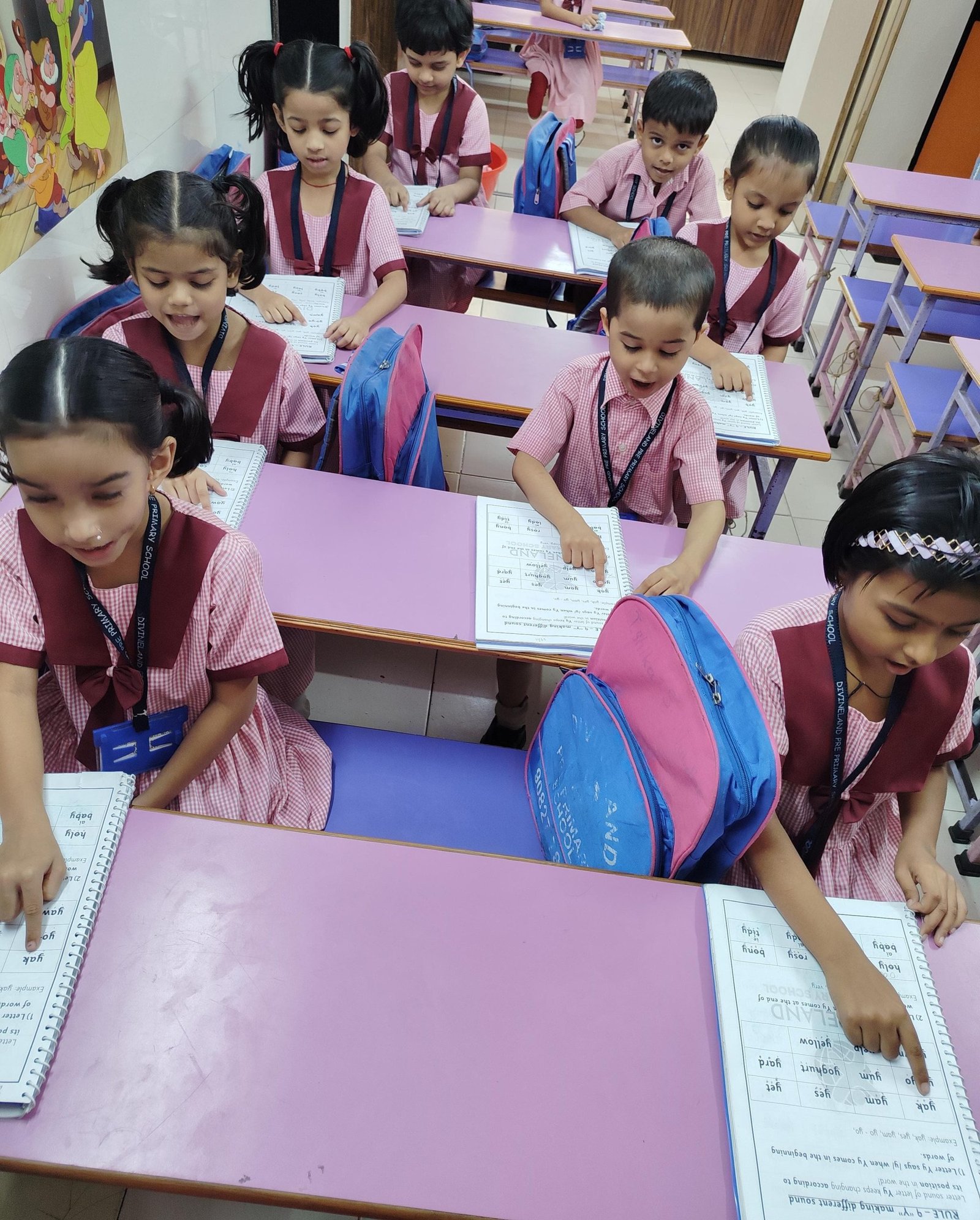
Role of Phonics in Reading Readiness
Phonics helps children to get ready to read as it teaches them how letters and sounds work together. It teaches kids how spoken language and written words are related, which is important for learning to read easily. When kids learn phonics, they get better at reading because they become surer about how to read and sound out words.
Phonics helps Reading Readiness in several useful ways:
- Sound Recognition: Kids learn to tell the sounds of letters apart, which helps them get better at listening and reading.
- Letter-Sound Connection: Kids get better at reading by learning how letters stand for sounds, which helps them figure out simple words.
- Blending Skills: Phonics teaches kids how to put sounds together to make words, which is a key aspect of being ready to read.
- Word Formation: When kids start to see patterns, their Reading Readiness gets stronger and steadier.
Phonics makes learning joyful by using rhymes, tunes, and simple word games. It also organically improves Reading Readiness. It also boosts kids’ confidence since they feel good about being able to detect sounds and words they know on their own.
Children can go from hearing to speaking and then Reading with Regular Phonics practice. This slow procedure builds Reading Readiness and gets students ready for more advanced reading and writing skills in the future.

Tips for Consistency
Consistency is very important for children to establish strong Reading Readiness abilities. Kids feel safer and are more open to learning new things when they have a regular schedule. Over time, small changes to your daily routine can make a major difference in how ready you are to read.
Here are some helpful strategies for being consistent:
- Set a set time for reading: Pick a time each day to do reading activities to help your child become ready to read.
- Make a schedule: Doing the same things over and over, like reading a tale before bed, helps kids link routines with Reading Readiness.
- Read books you know: Reading your favorite stories over and over again helps you grasp them better and get ready to read.
- Keep sessions short and pleasant: Young kids learn best when they do short, fun exercises that help them get ready to read.
- Get Kids Involved: Ask them easy questions or let them point to pictures to help them become ready to read.
- Be patient and positive: Every child learns to read at their own rate, so it’s crucial to encourage them.
By doing these easy and consistent things, kids slowly gain confidence and acquire strong Reading Readiness abilities that help them learn in the early years.
Helping kids develop good Reading Readiness abilities while they are young makes them more confident and curious learners as they get older. Preschoolers can learn to love reading for life if they get the correct help, are patient, and do fun activities. If you want to give your child a safe place to learn to read, think about sending them to Divineland Pre Primary School. There, concentrated learning and care will help them be ready for reading and set them up for success in school.
Give your child a strong reading start at Divineland Pre Primary School!
Talk to Us Today on +919082778593 / +918591021373, for Admission Details!
Click Here, for downloading the brochure!
FAQs
How can Parents Support Reading Readiness at Home?
Parents may help their kids learn to read in a fun way by reading to them every day, playing phonics activities, encouraging them to tell stories, and making their home full of print.
Why Choose Divineland Pre Primary School for Reading Readiness?
Divineland Pre Primary School helps preschoolers get ready to read by focusing on phonics, interactive learning, and guided activities.