A Preschool Curriculum is a designed course of action to nurture the learning and development of young children in their early years. It incorporates age appropriate activities, play based learning, storytelling, music, art, language development, early numeracy and social skills.
A well-planned Preschool Curriculum helps children to gain confidence, increase communication, develop cognitive skills and learn how to interact with others. It also assists teachers in developing meaningful classroom experiences that promote the physical, emotional, social, and cognitive development of each kid.
What is a Preschool Curriculum?
A preschool curriculum is a scheduled learning program developed for children from 2 to 6 years of age. It is about learning via play and experiences which is development of language, thinking, physical, social, emotional and creative skills. At this stage learning is often activity focused and not text book dependent.
It usually includes:
- Exploratory play-based activities
- Daily practices that promote discipline and independence
- Stories for language and imagination building
- Art and music for creative expression
- Movement exercises to promote physical development
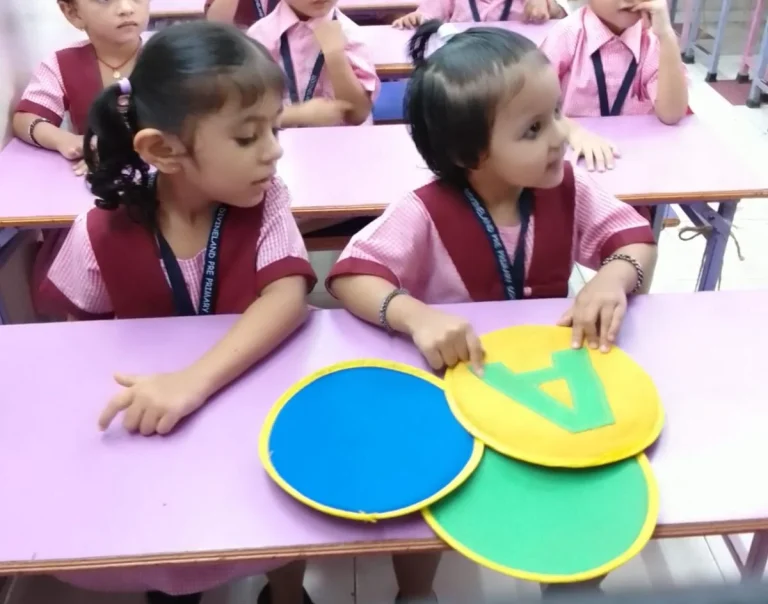
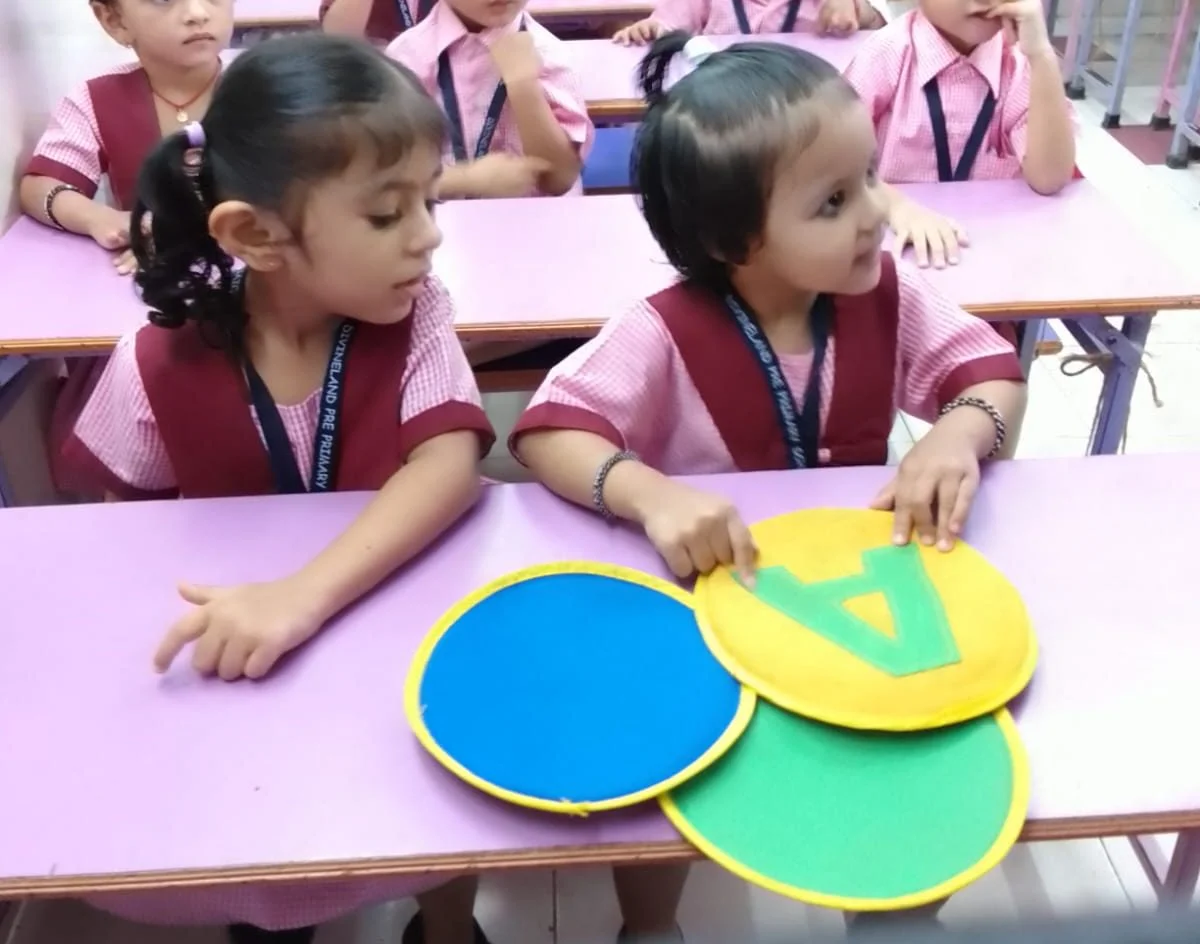
- Ideas for number, letter, shape and colour at a young age
A great Preschool Curriculum teaches children in a natural way, while getting them ready for the next steps in schooling.
Call or Whatsapp on +919082778593 / +918591021373, for Admission Details!
Click Here, to download the brochure!
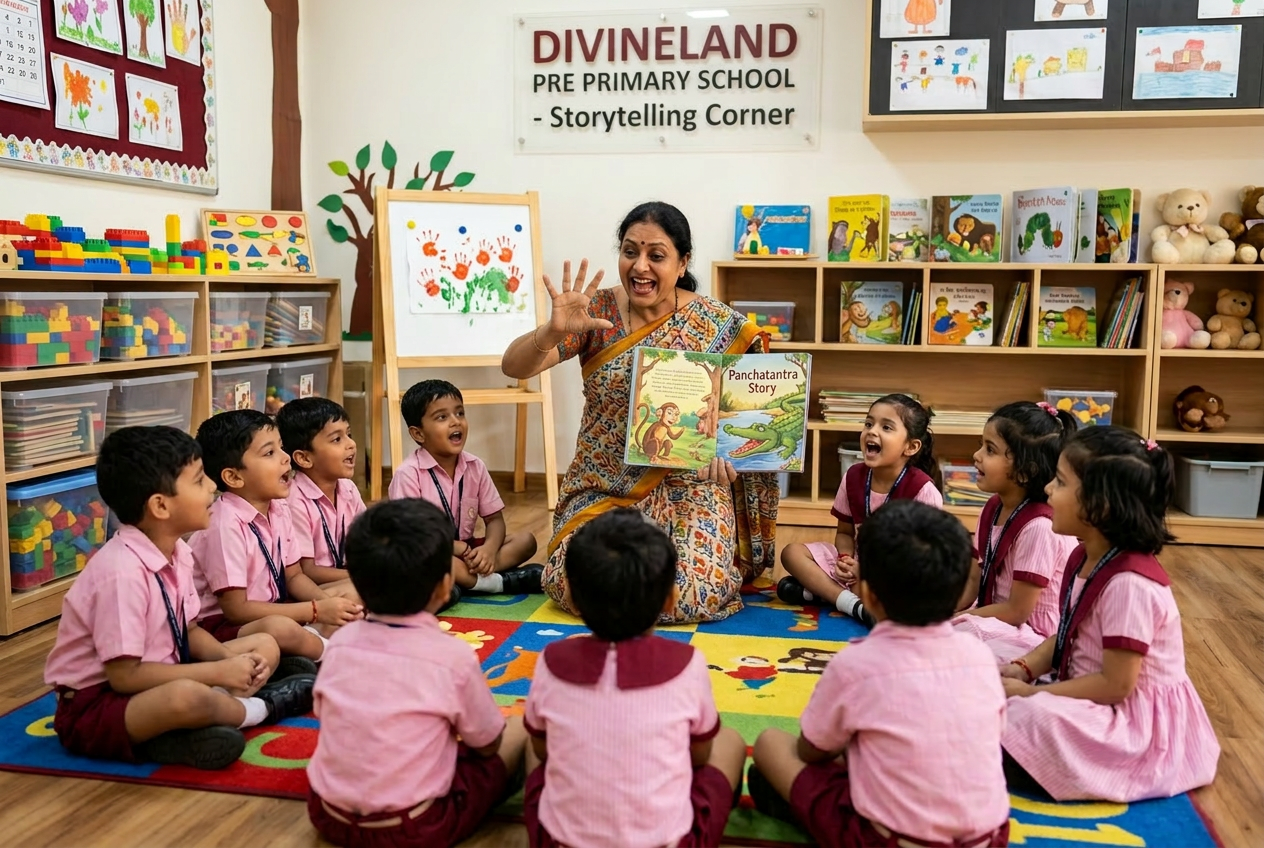
Key Areas of a Preschool Curriculum
A well-planned Preschool Curriculum supports different areas of a child’s growth and prepares them for future learning. It combines classroom activities, play, interaction, and practical experiences to make learning enjoyable and meaningful.
Communication and Language
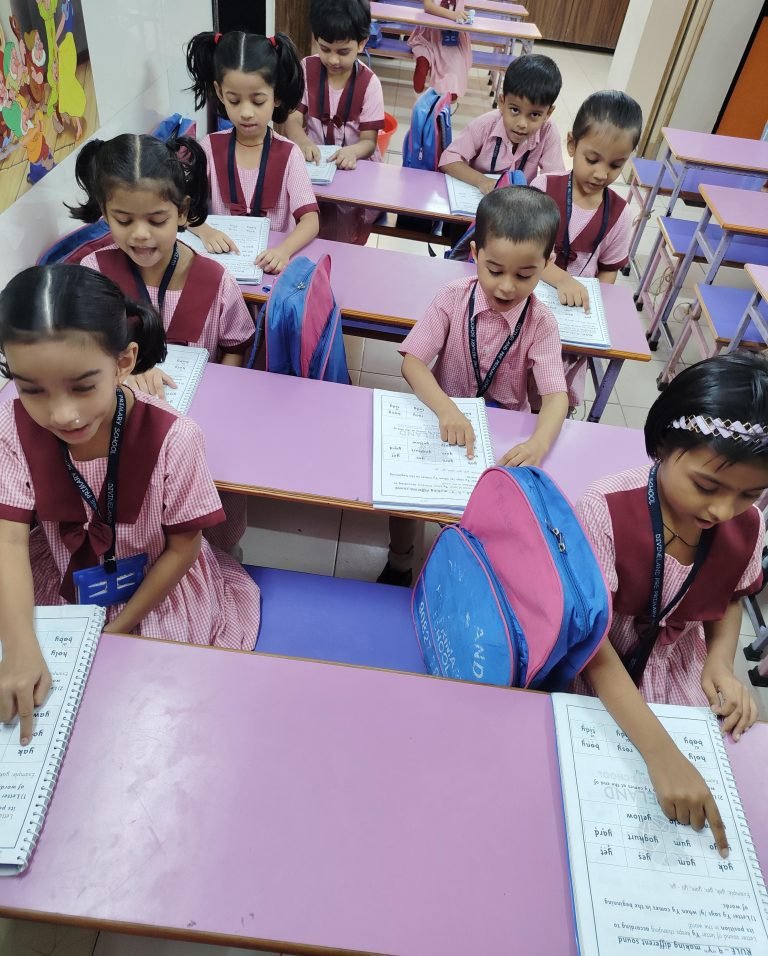
Stories, talks, rhymes and group discussions enable children to develop their vocabulary, listening, speaking and communication abilities.
Early Literacy and Numeracy
With games and activities children learn letters, sounds, numbers, shapes, patterns, counting and basic mathematical concepts.
Physical and Motor Growth
Running, jumping, drawing, colouring, cutting and creating develop gross and fine motor skills.
Social and Emotional Skills Development
Group play fosters cooperation, sharing, expressing feelings, building confidence and forming positive relationships.
Cognitive and Problem-Solving Skills
Puzzles, sorting, matching, memory games and simple experiments are great for logical thinking and decision making.
Creative and Sensory Activities
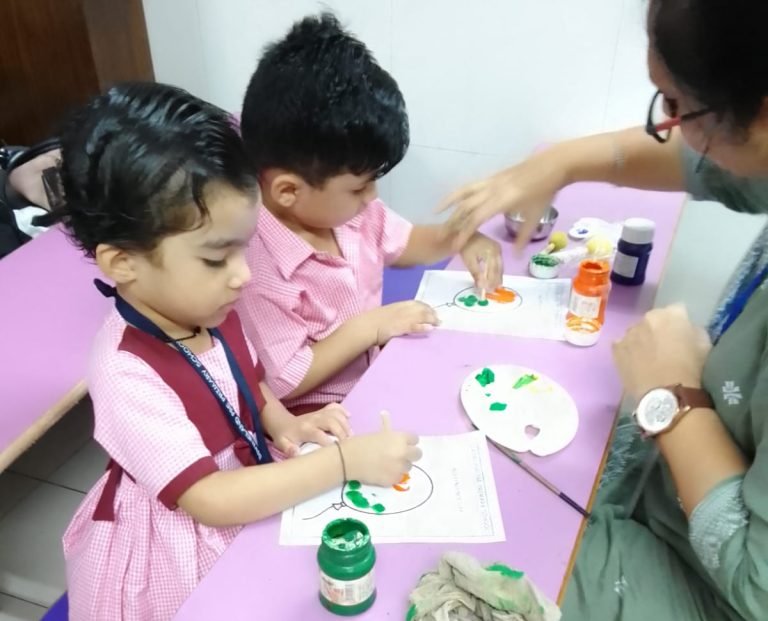
Creativity and self-expression are encouraged through drawing, painting, music, dancing, clay work and sensory play.
General Knowledge and Environmental Awareness
Children learn about animals, plants, seasons, community assistance, festivals, transports and their environment.
A good Preschool Curriculum balances these areas of learning so that children can develop in the intellectual, physical, social, emotional and creative areas.
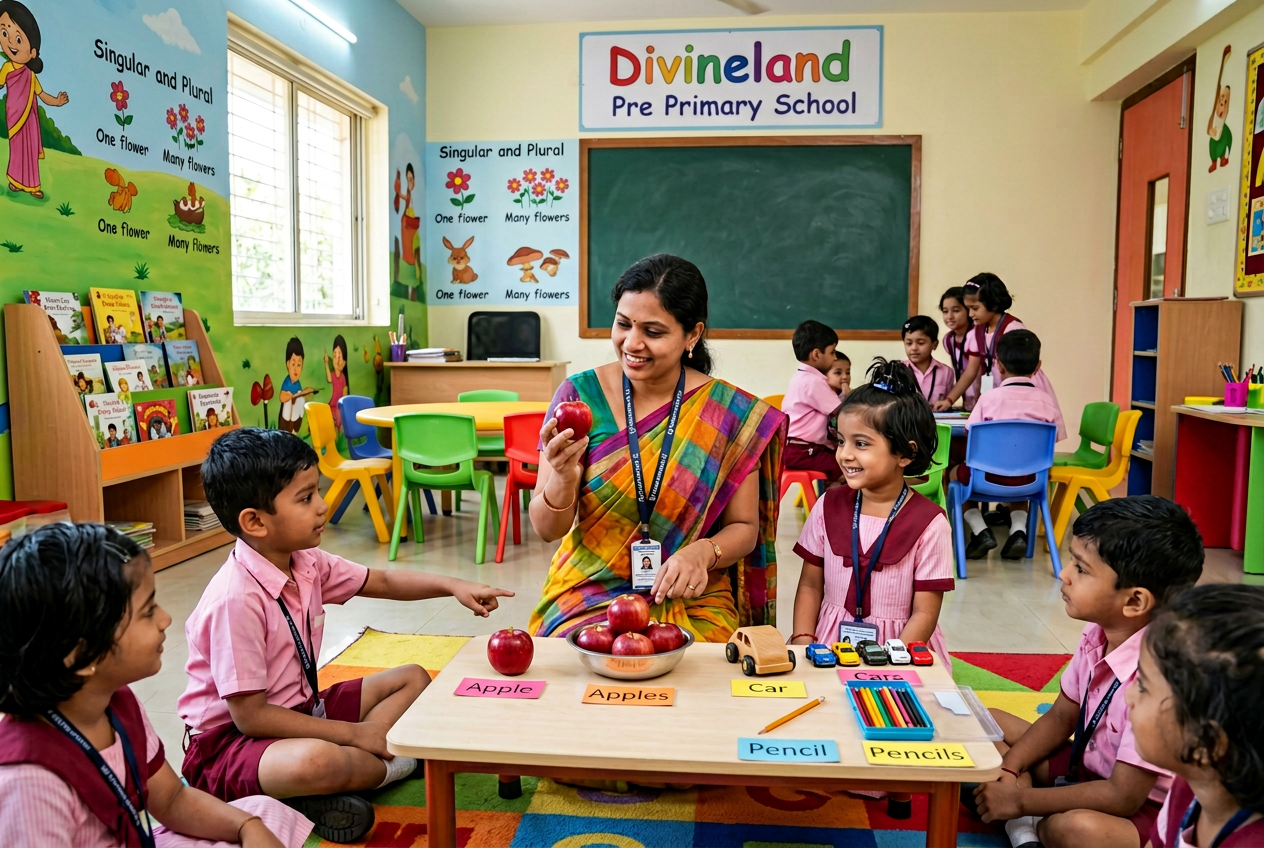
How to Plan an Effective Preschool Curriculum?
Divineland Pre Primary School Teachers plan the Preschool Curriculum based on the age, interest, abilities and developmental needs of young children. The aim is to make learning fun, interesting and suitable for each child.
The teachers examine the following aspects while developing the curriculum:
- Learning Objectives: Language, Numeracy, Motor Skills, Creativity, Social and Emotional Development are all well-defined objectives.
- Monthly or Weekly Themes: Learning is related and engaging with interesting themes such as animals, colors, seasons, family, travel and nature.
- Activity Planning: Stories, art, craft, music, movement, role play and hands-on activities are planned for each subject.
- Play-Based Learning: Games, group activities, puzzles and free play are all part of the Preschool Curriculum and are used to promote natural learning in children.
- Classroom Schedules: Having regular schedules for circle time, learning activities, refreshments, play, and relaxation makes children feel secure and organized.
- Teaching Aids: Flash cards, toys, puppets, picture books, blocks and real life objects help make topics easier to learn.
- Observation and Assessment: Teachers consistently observe children’s engagement, skills, behavior and development.
- Individual Flexibility: Activities are tailored to meet individual learning styles and abilities.
Divineland teachers can nurture the child’s total development at a comfortable pace with this child-friendly Preschool Curriculum.
Enroll your child at Divineland Pre Primary School for joyful early learning.
Call or Whatsapp on +919082778593 / +918591021373, for Admission Details!
Click Here, to download the brochure!
FAQs
What should a Good Preschool Curriculum Include?
It will be play-based, with storytelling, art, music, early reading, numeracy, physical activities, routines, observation and age-appropriate tasks.
How does Divineland Pre Primary School Plan its Curriculum?
Divineland Pre Primary School fosters the development of each child by employing child friendly themes, play based activities, teaching aids, routines and constant observation.