Every parent needs to make the appropriate choice about the Age of Preschool. Preschool is very important for a child’s early learning, social skills, and self-esteem.
Every kid grows at their own speed, but knowing the Right Age for Preschool can help parents make better choices for their child’s growth. With the right time, kids can quickly adjust and start their learning adventure in a way that makes them feel good.
Ideal Age for Preschool Admission
The Age of Preschool is an important thing for parents to think about when deciding when to start their child’s early education. Knowing the best age for preschool helps kids become ready to move to a new place, both mentally and emotionally. Most teachers say preschool should start between the ages of 2 and 4, depending on the child’s readiness and comfort.
Here is a basic list of the Age of Preschool stages:
- Playgroup (2–3 years): At this Age of Preschool, kids start to learn how to do simple things, stay away from their parents for a short time, and play.
- Nursery (3–4 years): This Age of Preschool is all about learning how to talk to people, how to learn new things, and how to get along with others.
- Junior KG (4–5 years): At this age, kids start learning letters, numbers, and how to write in a disciplined way.
- Senior KG (5–6 years): This last stage of preschool helps kids get ready for primary school by improving their reading, writing, and problem-solving skills.
Picking the right Age of Preschool helps kids feel safe, secure, and eager to learn, which makes their early education journey go smoothly and positively.
For Additional Information, please Call or WhatsApp +919082778593 / +918591021373.
To get the brochure, Click Here!
Signs a Child is Ready
Choosing the right time for a child to start preschool goes beyond simply checking the date. Age is a factor, of course, but a child’s readiness also depends on their behaviour and their level of comfort. Observing a few key signs can help make this decision easier and more effective.
Basic Communication Skills
Children who can express their needs using simple words or sentences are generally prepared for preschool. They might ask for help, name things, or answer simple questions. This helps children get along better with others in a classroom setting.
Ability to Stay Away from Parents for a Few Hours
A child who can be apart from their parents for a short time without getting upset is more ready for preschool. This shows that you are emotionally ready and can handle being in a new place without getting upset.
Interest in Playing with Other Children
The Age of Preschool is a time when kids need to socialise with other kids. If a child likes to play, share toys, or be near other kids, it means they are ready to join in on group activities.
Following Simple Instructions
Kids who can understand and follow simple directions are better prepared for preschool since it enables them to take part in regulated activities and routines.
These signals help parents pick the best Age of Preschool for a smooth start.
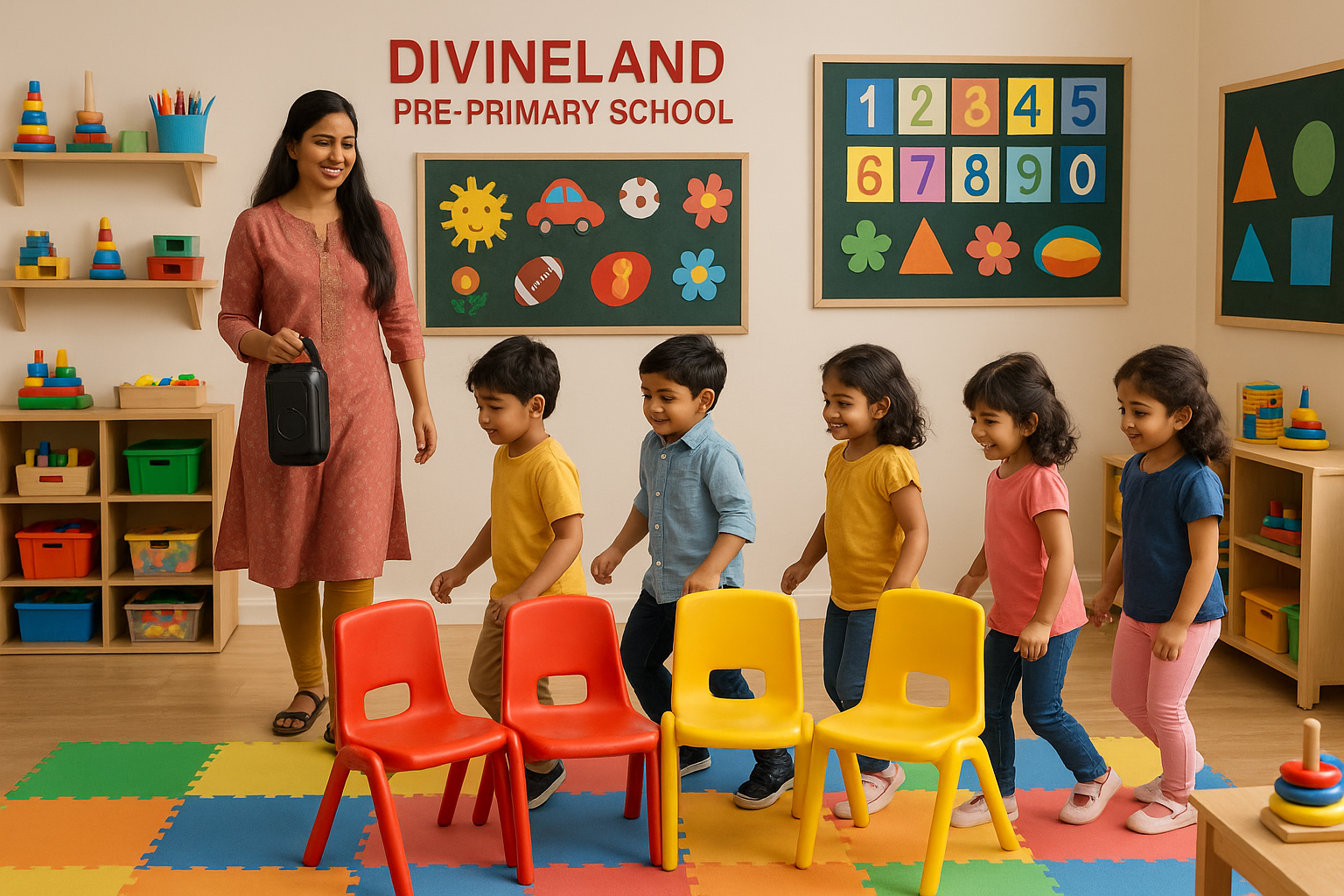
Importance of Starting at the Right Age
Picking the correct Age of Preschool is very important for a child’s early growth. Age of Preschool isn’t just about numbers; it’s also about making sure a child is ready to learn, engage, and grow in a structured setting. When kids start preschool at the right age, they are more likely to adapt quickly and get the most out of their early education.
Social Development
Starting preschool at the correct age helps kids make friends, share, and play with other kids. It teaches people how to work together and makes them feel more confident in groups.
Emotional Growth
The right age for preschool helps kids deal with being away from their parents and talk about their thoughts. It helps you feel emotionally stable and safe.
Language Skills
At the right age for preschool, kids are more willing to learn new words, sounds, and ways to talk to each other. This helps them talk and listen better.
Learning Habits
Starting preschool at the correct age can help kids learn to focus, stick to a schedule, and be interested in learning. It gives you a firm foundation for doing well in school in the future.
The proper Age of Preschool makes sure that kids grow up peacefully while also learning important life skills.
Call or Whatsapp on +919082778593 / +918591021373, for more details.
Click Here, for downloading the brochure!
What Happens if Started Too Early or Late
When a child starts preschool is very crucial for their comfort and growth. A child should be ready for preschool based on their age and emotional state. If you don’t think about the Age of Preschool thoroughly, it can change how a child gets used to a new place and way of learning.
When It Started Too Early
There may be certain problems if a child starts preschool before the right age:
- Separation anxiety: Kids under the age of 5 may have a hard time being away from their parents for long periods of time.
- Emotional stress: They could feel too much pressure at a new place if they aren’t ready for it emotionally.
- Not being able to talk: It might be frustrating if the youngster can’t say what they need.
Choosing the right Age of Preschool makes kids feel safer and more ready to explore their surroundings with confidence.
When It Started Too Late
Waiting too long to start preschool might also affect development:
- Slower social adaptation: Kids may need more time to get used to being around other people and talking to them.
- Delayed in learning exposure: Not getting enough early learning experiences make it harder to grasp basic abilities like language and numbers.
- Lack of Confidence: Kids may be less sure of themselves when they join structured settings later than other kids.
Knowing the Proper Age for Preschool ensures that kids get the right amount of social and educational experiences at the right time.
As every child is different, so parents should watch their child to see if they are ready for preschool and the recommended age. A balanced approach helps kids make the switch to preschool life smoothly, which makes learning a fun and joyful experience.
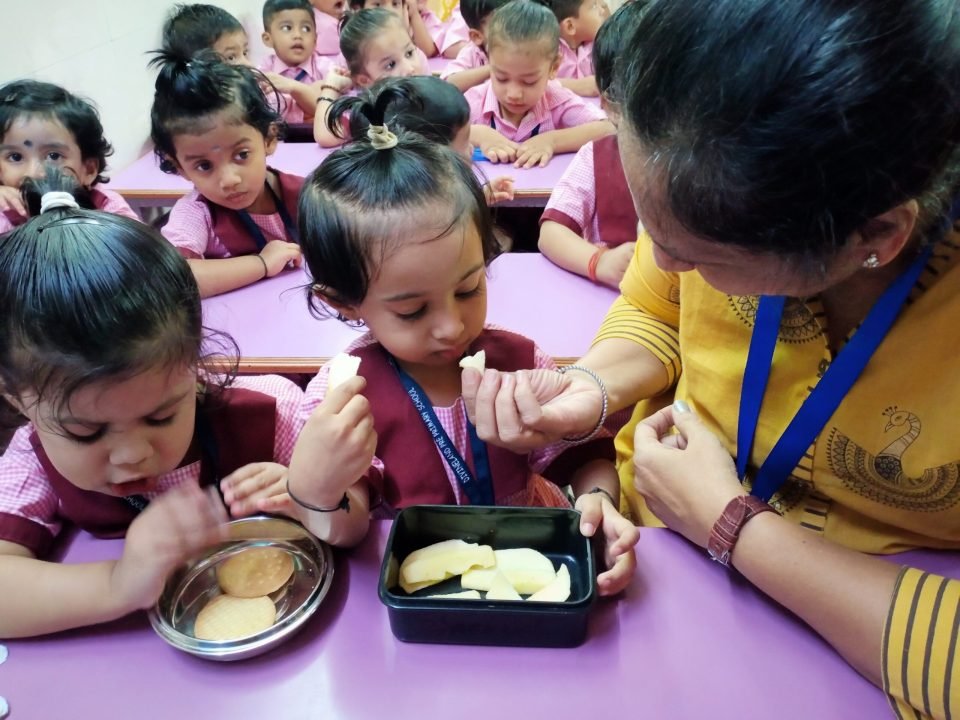
Choosing the Right Preschool
Choosing the Right Preschool is a vital part of your child’s early life, and knowing the Age of Preschool can help parents make smart choices. The proper Age of Preschool makes sure that kids are ready to learn in a disciplined setting, both emotionally and socially.
When choosing a preschool, parents should think about the most important things that will help their child grow and learn
Safe Environment
A preschool must provide a clean, safe, and child-friendly area where kids can feel safe and at ease. At the Age of Preschool, safety is very important because kids are still learning how to explore their environment.
Qualified Teachers
Teachers who have worked with preschoolers and care about them know what they need. They patiently help students study and encourage good behaviour.
Play-Based Learning
Kids learn best when they play when they are in preschool. Storytelling, games, and creative projects are some of the activities that assist acquire important talents.
Balanced Routine
A daily schedule that includes time for learning, play, and relaxation helps preschoolers learn discipline and stability.
Divineland Pre Primary School is a trusted choice for parents in Gorai since it focuses on caring for and educating children at the optimum age for preschool.
Pick Divineland Pre Primary School today to give your child the best start!
Call or Whatsapp on +919082778593 / +918591021373, for more details.
Click Here, for downloading the brochure!
FAQs
How do I Know if My Child is Ready for Preschool?
A child is ready if they can follow simple directions, play with other kids, be away from their parents for a while, and want to learn new things.
Can Starting Preschool Early Affect My Child?
Starting too early may cause anxiety if the child is not ready. It’s important to consider emotional comfort and readiness along with the appropriate age.