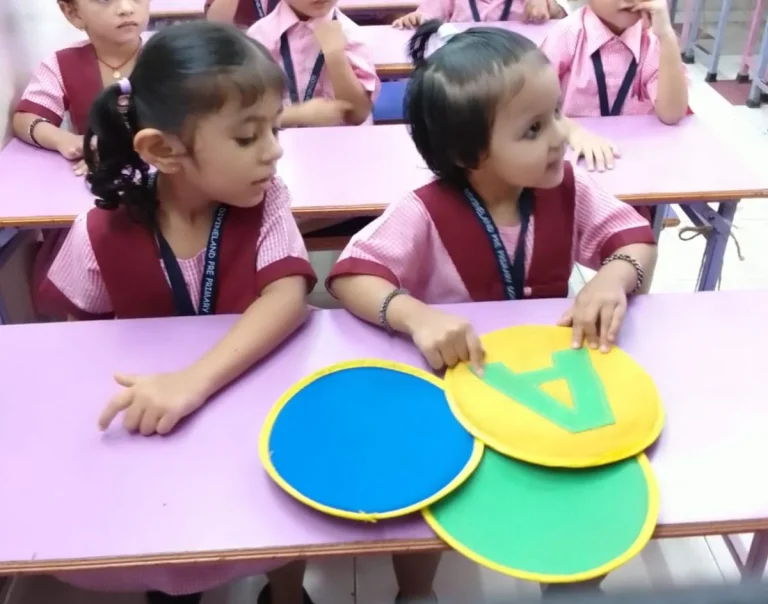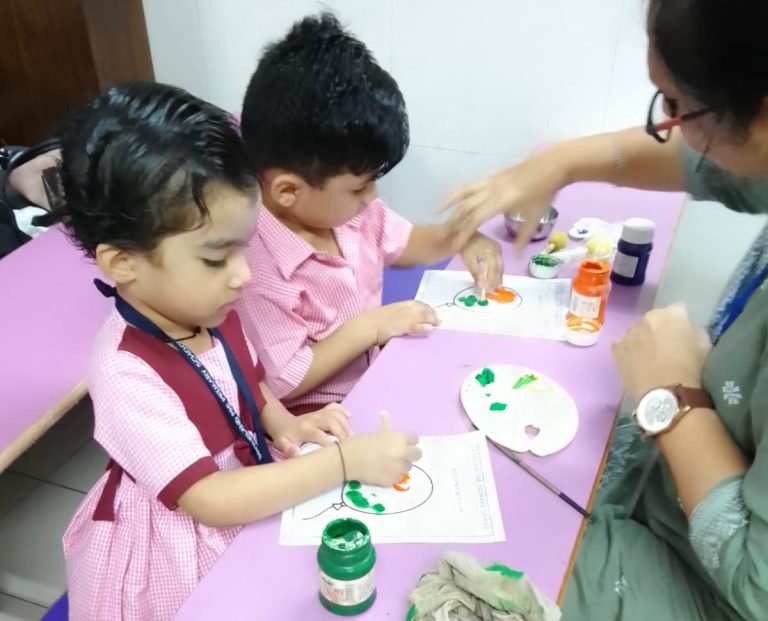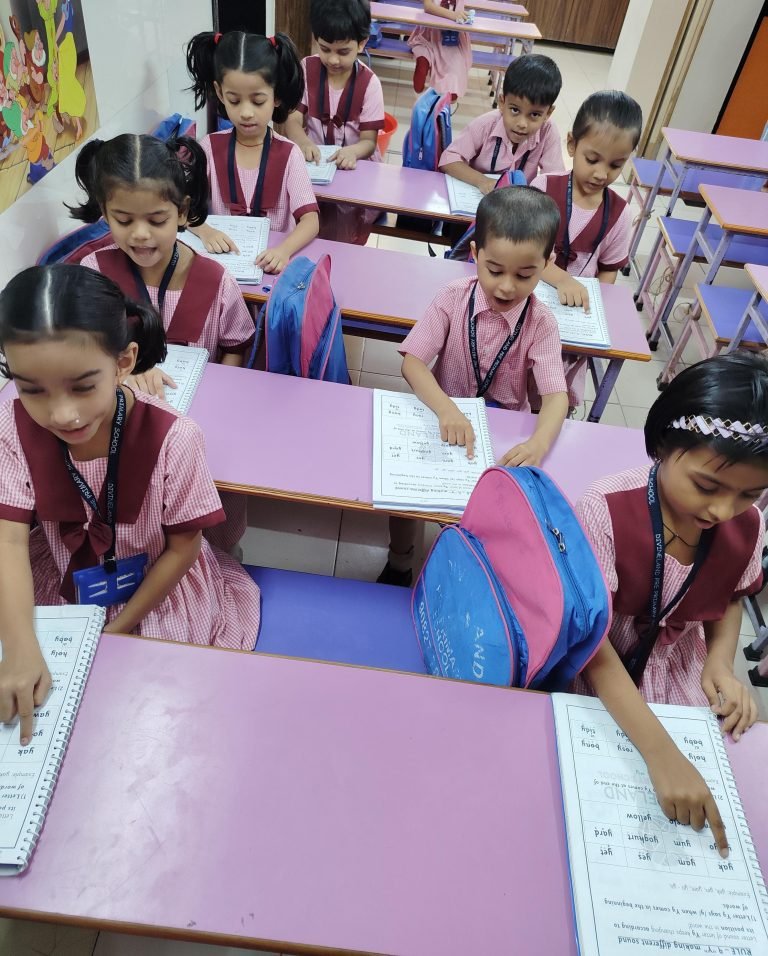
Vocabulary Games are a fun and effective approach to help youngsters learn new words, grasp what they mean and apply them confidently in everyday communication. Children can develop their speaking, reading, and writing skills while having fun with easy activities such as word matching, guessing games, puzzles, and storytelling.
Vocabulary Games also improve memory, promote active involvement and make language learning more fun for youngsters of different age groups.
Why are Vocabulary Games Important for Children?
Kids learn best when they’re actively participating in an activity. Vocabulary Games allow students the chance to hear, say, recognize, spell and utilize new words without learning feeling like hard work.
Regular activities with words can assist children to:
- Find out the meaning of unknown terms
- Improved pronunciation and spelling.
- Keep lengthier words
- Construct meaningful sentences
- Enhance speaking and listening abilities
- Improve reading comprehension
- Be a confident communicator
- Link words to visuals, objects and situations
The greatest Vocabulary Games can be personalized according to the child’s age, vocabulary level and learning needs.
To Call or Whatsapp on +919082778593 / +918591021373, for Admission Details!
For downloading the brochure, Click Here!
Word Matching Game
Word Matching is one of the simplest Vocabulary Games for young children. It allows children to associate a word with its appropriate meaning, image, synonym or antonym.
Prepare 2 packs of cards. One set might have terms such as cheerful, large, swift and cold. The second set may include their meanings, illustrations, synonyms or antonyms.
For instance:
- Happy – Cheerful
- Big – Large
- Quick – Fast
- Cold – Hot: antithetical
Shuffle the cards and ask the students to discover the correct pairs. Teachers can also break the class into small teams and give points for each correct match.
This game builds word recognition, recall and comprehension of word relationships.
Guess the Word
Guess the Word is one of the most Interactive Vocabulary Games for the kids. In this game, one child delivers hints while the others try to guess the mystery word.
Let’s say the word you pick is elephant. The clues could be:
- It’s an animal.
- It is really big.
- It has a trunk
- It has large ears.
Children keep guessing until someone gets the proper answer.
Teachers might introduce more difficult words for older learners and ask youngsters to explain it without using the real word. This enhances descriptive language, speaking abilities and rapid thinking.
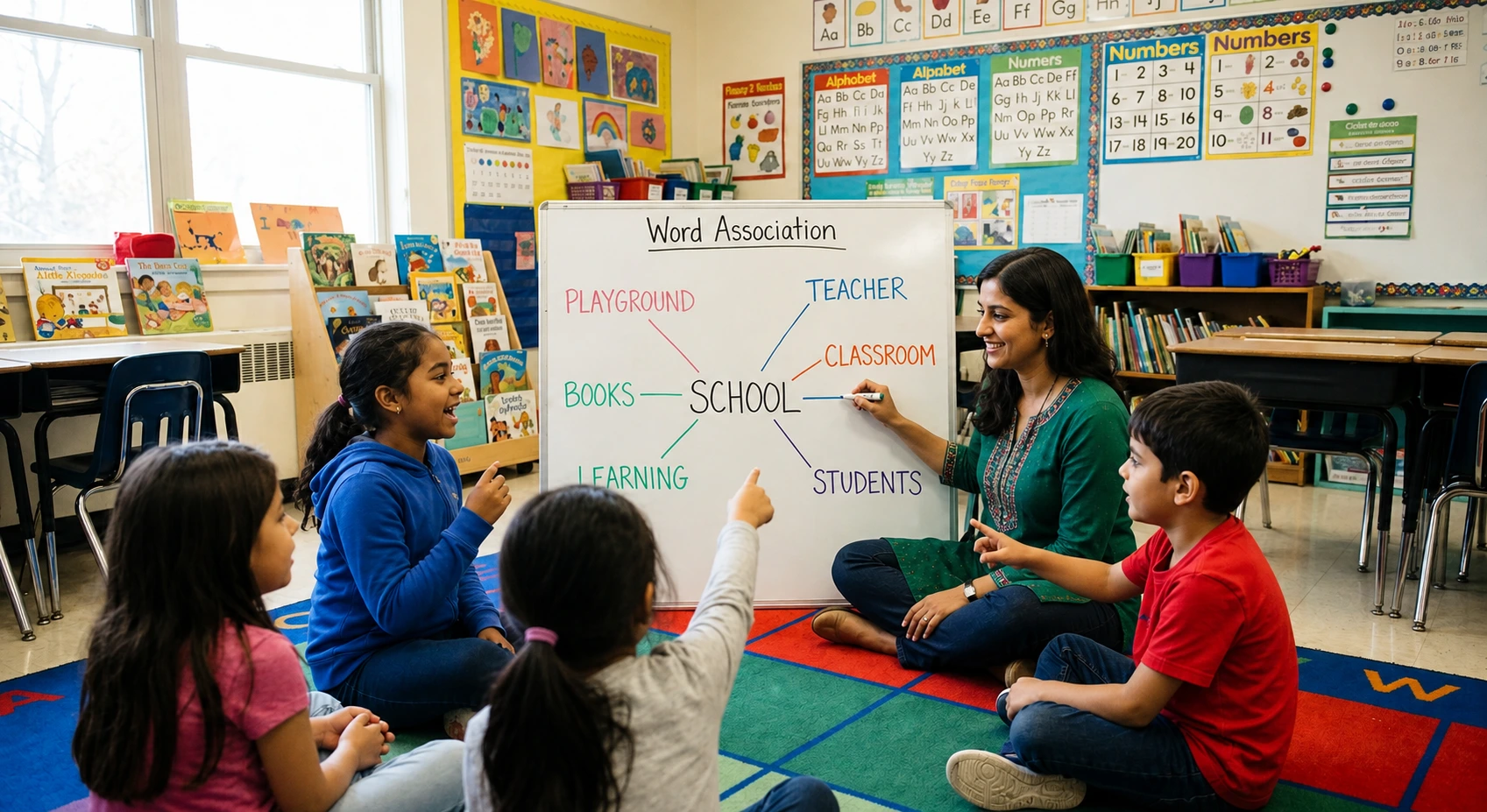
Word Association Game
Word Association is a game where youngsters connect one word to another related term. Such Vocabulary Games assist children see how words are related by meaning or context.
The teacher starts with a word like school. A child might say teacher. Next child might say classroom, then students, books, learning, etc.
Another example might be:
Rain → Cloud → Water → River → Fish
The game can go on until a child is unable to think of a term to do with it.
Word Association improves creativity, language recall and the capacity to spot links between diverse ideas.
Synonym Challenge
The Synonym Challenge is a fun way for kids to learn alternative words that mean the same thing. It is one of the excellent Vocabulary Games to improve writing and avoid repeated words.
The teacher delivers a simple term and asks the pupils to give words that have the same meaning.
Some examples are:
- Happy – Glad, cheery, merry
- Big – large, vast, gigantic
- Small – Little, little, tiny
- Smart – Intelligent, clever, bright
Children can work as individuals or teams. Give a point for each accurate synonym.
This game enables youngsters to build vocabulary and to choose more appropriate words when they talk and write.
To Call or Whatsapp on +919082778593 / +918591021373, for Admission Details!
For downloading the brochure, Click Here!
Category Word Game
Category-based Vocabulary Games prompt youngsters to sort words into logical groups.
Give the youngsters a category and ask them to name as many words within that category as they can in a set period of time.
Possible categories include:
- Animals
- Fruits
- Vegetables
- Colours
- Transport
- Professions
- School objects
- Body parts
- Food
- Clothes
For example, in “Fruits”, students can write apple, mango, banana, orange, grapes etc.
For older children the categories can be more difficult, such as adjectives, emotions, jobs or environmental phrases.
This game encourages fast thinking and helps children grasp classification.
Tips for Conducting Vocabulary Games
Parents and teachers can bear in mind a few considerations to make Vocabulary Games more effective:
- Choose words that are age appropriate for the youngster.
- Begin with easy words before introducing difficult ones.
- Give simple examples to explain meanings.
- Encourage youngsters to talk freely without fear of making little mistakes.
- Use actual things and photographs whenever possible.
- Use newly learnt words in varied tasks.
- Recognize effort as well as right answers.
- Change activities frequently to retain interest.
- Ask children to try out new words in the discussions they have all day
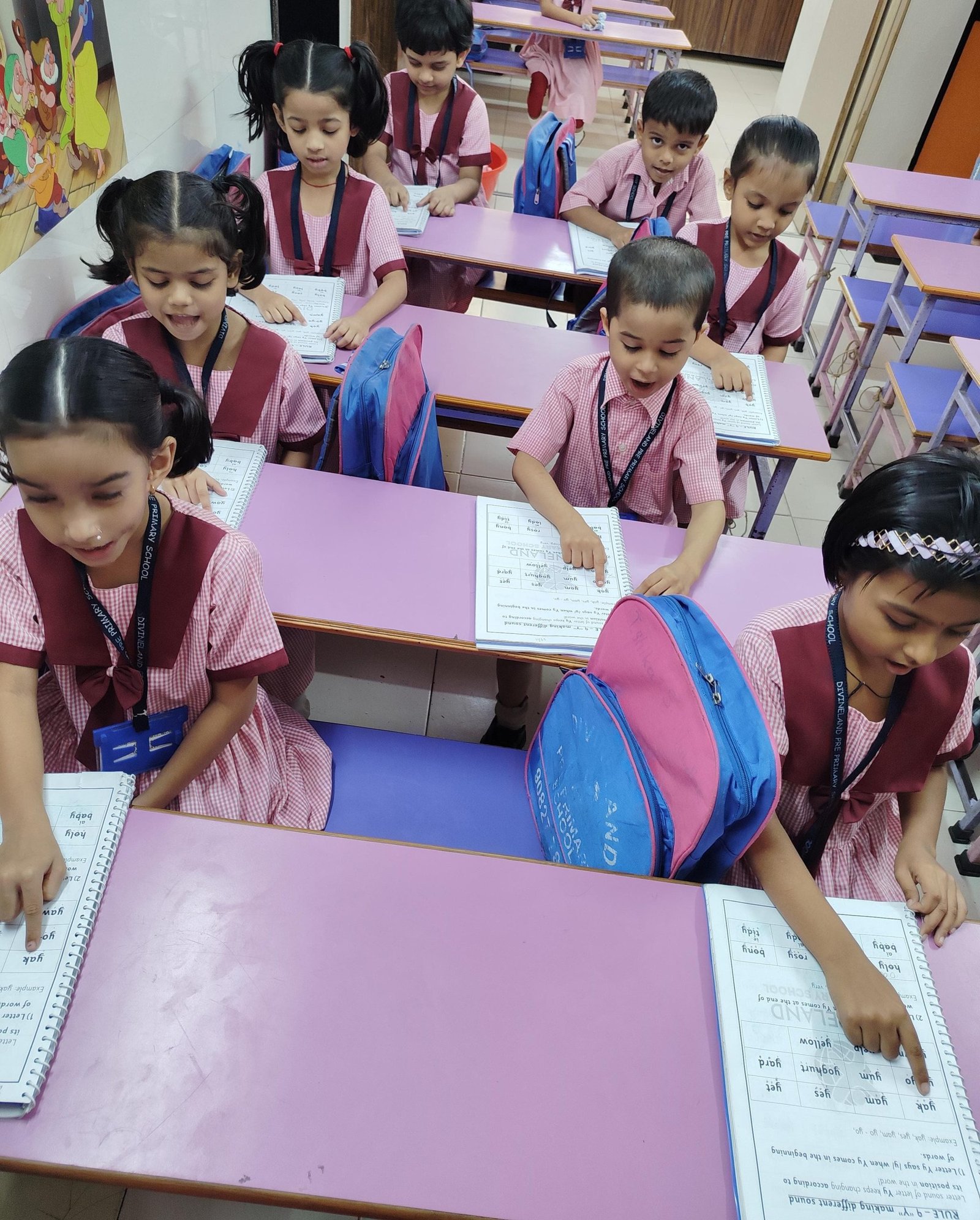
A strong vocabulary promotes reading, writing, speaking and listening, and total communication. Children don’t necessarily require workbooks or memorization to learn new words. Vocabulary Games in Divineland Pre Primary School A fun way of practicing language through matching, drawing, storytelling, guessing, acting and group activities. When parents and instructors utilize Vocabulary Games regularly in learning sessions, children have the opportunity to learn new terms and use them in a natural way. Vocabulary Games that are simple and entertaining can consequently turn vocabulary development into an active and meaningful element of a child’s learning experience.
Turn play into learning—enrol your child at Divineland Pre Primary School today!
To Call or Whatsapp on +919082778593 / +918591021373, for Admission Details!
For downloading the brochure, Click Here!
FAQs
Which Vocabulary Games are Best for Young Children?
Word matching, picture naming, charades, Bingo, word association, and guessing games are simple activities that make vocabulary learning fun and engaging.
How does Divineland Pre Primary School Support Vocabulary Learning?
Divineland Pre Primary School uses playful language activities and interactive learning to help children improve vocabulary, communication, and confidence.