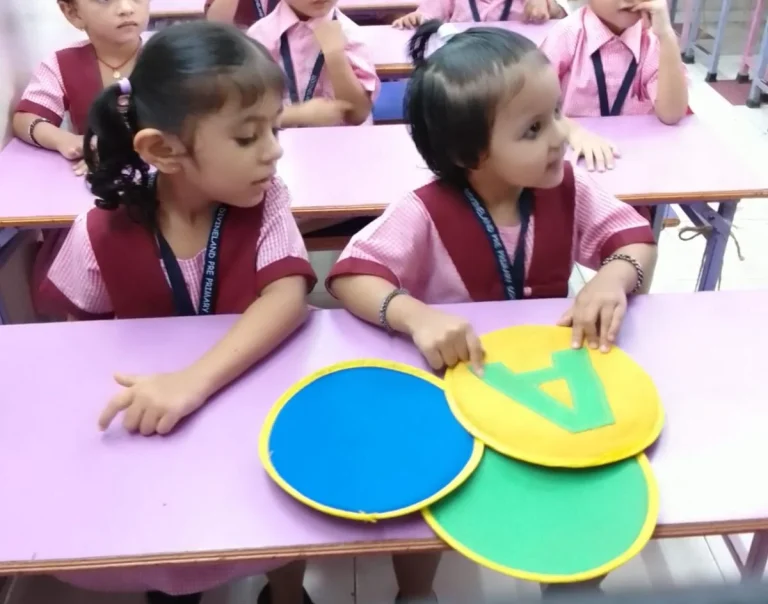
Phonics helps children learn how letters and their sounds are related. This is an important foundation for reading and spelling. Effective Strategies for Teaching Phonics will help children easily identify sounds, blend words and gain confidence in reading.
Games, visual materials, movement, repetition and structured practice can make phonics lessons more interesting for teachers. The right Strategies for Teaching Phonics should give children regular opportunities to hear, recognize, say and use different letter sounds.
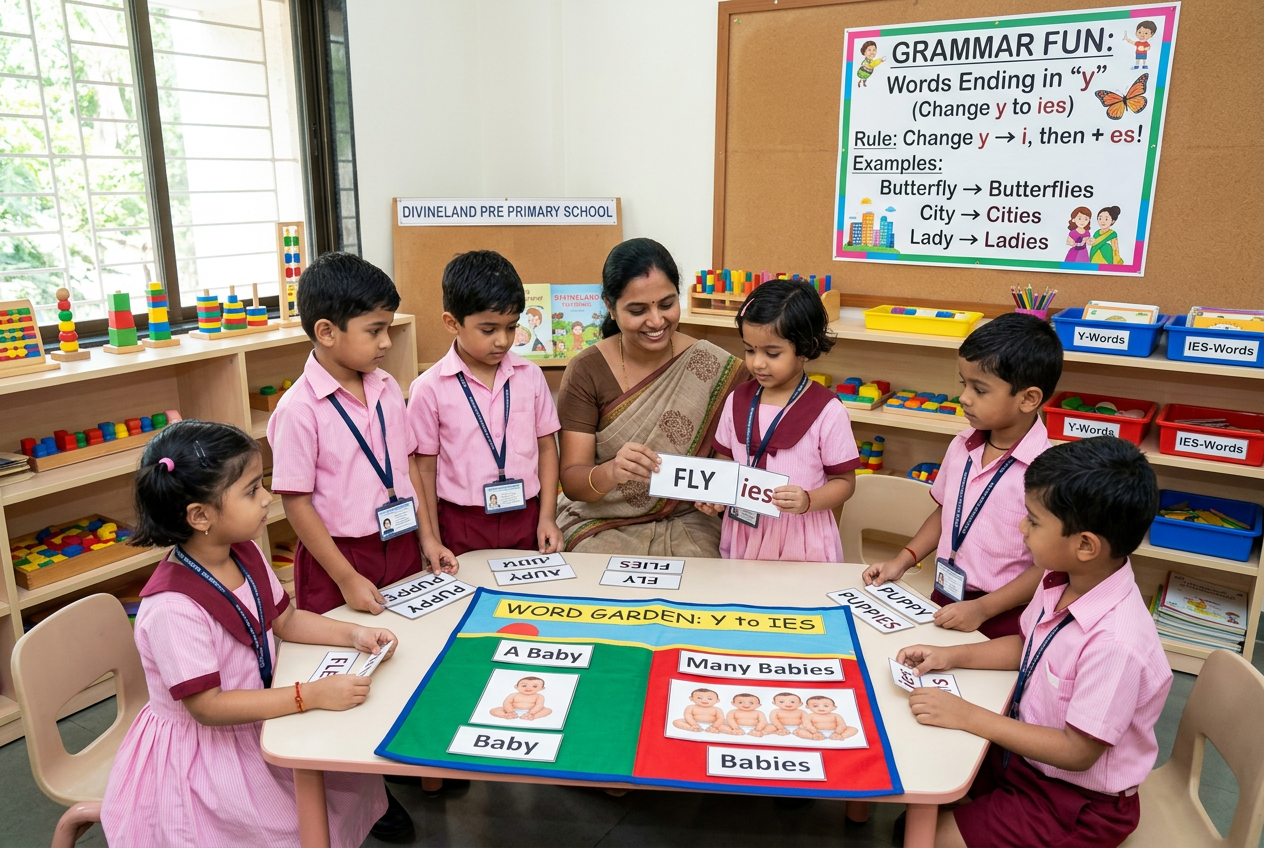
Teach Letter Sounds with Visual Aids
One of the useful Strategies for Teaching Phonics is to use pictures, flashcards, objects and colourful letter cards. Children are better able to comprehend sounds if they can associate them with something familiar. For example, when introducing the sound /a/ teachers can show an apple and when introducing /b/ they can show a ball.
Visual associations aid young students in remembering sounds. Teachers can also have alphabet charts and sound cards around the classroom. Regular revision of these materials helps to reinforce sound recognition.
Among the different Strategies for Teaching Phonics, visual learning is very useful for pre-schoolers. It keeps lessons simple, clear, and engaging.
For Phonics Class Admission, Call or Whatsapp on +918591021373 / +919082778593!
Click Here, for downloading the brochure!
Use Phonics Games and Activities
Games can make phonics practice enjoyable while encouraging children to participate actively. Using games is one of the effective Strategies for Teaching Phonics because children can practice sounds without feeling that they are completing a difficult lesson.
Teachers can create sound matching games, letter hunts, picture sorting, phonics bingo, and sound identification activities. Children can for example find objects in the classroom starting with a specific sound. And they can match pictures to the correct initial sound.
These Strategies for Teaching Phonics encourage repetition but keep the children interested. Regular phonics games improve listening skills, sound recognition, vocabulary and confidence in using new sounds.
Teach Blending and Segmenting
Blending and segmenting are key skills for developing early reading and spelling skills Effective Strategies for Teaching Phonics is about teaching children how to put sounds together to make words.
As they blend, children hear the individual sounds /c/ /a/ /t/ and blend them together to read “cat”. Segmentation works in reverse. Children learn to break a word up into its sounds. Teachers can use counters, blocks, finger tapping or sound buttons to represent each sound.
These Teaching Phonics Strategies help children learn the structure of spoken words. It is useful to start off with simple CVC words so the learner can build up these skills before progressing to longer words.
Include Multisensory Phonics Activities
Multisensory learning involves using sight, sound, touch, and movement during phonics lessons. It is one of the practical Strategies for Teaching Phonics for young children because they learn through different experiences. Children can trace letters in sand, make letters from playdough, clap syllables, act out sounds, or write letters in finger paint.
Teachers say a sound and children repeat it and do a related movement. These Strategies for Teaching Phonics can help make letter-sound relationships easier to remember. Multisensory Activities are especially helpful for those children who find traditional worksheet based learning difficult and need more opportunities for active practice.

Practice Phonics through Reading and Revision
Children can use phonics skills in relevant contexts with the support of regular reading and revision. One of the most important Strategies for Teaching Phonics is to give learners an opportunity to read simple words, sentences and decodable books with sounds they have already learned. Teachers can help children identify known sounds as they read and to decode unknown words themselves.
At the beginning or end of each lesson short revision sessions can also be carried out. Reviewing previously taught sounds helps children to remember what they have already learned. Effective Strategies for Teaching Phonics Blend New Concepts with Constant Revision. With regular practice, your pronunciation, word recognition, spelling, reading fluency, and overall confidence will gradually improve.
Using the right Strategies for Teaching Phonics can help children build strong reading, spelling, pronunciation, and word-recognition skills from an early age. Regular practice with sounds, blending, games, and reading activities makes learning more effective. Parents who want structured phonics learning for their child can consider Divineland’s Phonics Classes, where children learn through engaging activities and guided practice. Enrol your child today to strengthen their early literacy skills with confidence.
Enroll your child in Divineland’s Phonics Classes for strong reading skills.
For Phonics Class Admission, Call or Whatsapp on +918591021373 / +919082778593!
Click Here, for downloading the brochure!
FAQs
How can Parents Support Phonics Learning at Home?
Parents can practise sounds, read simple books, use flashcards, play word games, and encourage daily blending practice to improve reading confidence.
Where can Children Learn Phonics Effectively?
Parents can enroll their child in Divineland’s Phonics Classes for structured phonics practice, engaging activities, and guided reading support.