
Learning Disabilities and Disorders affect how children understand, process, and respond to information, which can make learning in a classroom more challenging. Learning Disabilities and Disorders are not a sign of low intelligence, but rather a different way of learning that needs patience and support.
Early identification of Learning Disabilities and Disorders helps parents and teachers provide the right guidance, making it easier for children to build confidence and improve their skills step by step.
What are Learning Disabilities and Disorders?
Understanding learning disabilities and disorders is essential for teachers. Some children may possess the incapacity to learn, like difficulties in reading, writing, or delayed speech, such challenges faced by children are known as Learning Disability. These incapacities are inherent to the individual and not due to exterior influences like financial or cultural variances.
Learning Disorders, on the other hand, include a wider range of learning complications. They may contain incapacities, but also talk about difficulties that might arise from external factors, like insufficient guidelines.
Key differences:
- Learning Disabilities are intrinsic and affect processing skills.
- Learning Disorders can include Learning Disabilities and also problems due to external factors.
Various Learning Disabilities & Disorders include:
- Dyslexia: Difficulty in reading, often involving trouble with decoding words.
- Dyscalculia: Challenges with math, including problems in understanding numbers and math concepts.
- Dysgraphia: Difficulty with writing, which may affect handwriting, spelling, and the organization of ideas.
- Auditory Processing Disorder: Difficulty in processing what is heard, despite having normal hearing.
- Visual Processing Disorder: Challenges in interpreting visual information, affecting reading and math learning.
- Nonverbal Learning Disabilities: Difficulties with nonverbal cues, spatial awareness, and motor skills.
While Learning Disabilities and Disorders may often be used interchangeably, comprehending their precise definitions supports classifying and addressing the distinctive requirements of persons. Both are important in the scenery of education, affecting how learners learn and how teachers can best help their learning voyage.
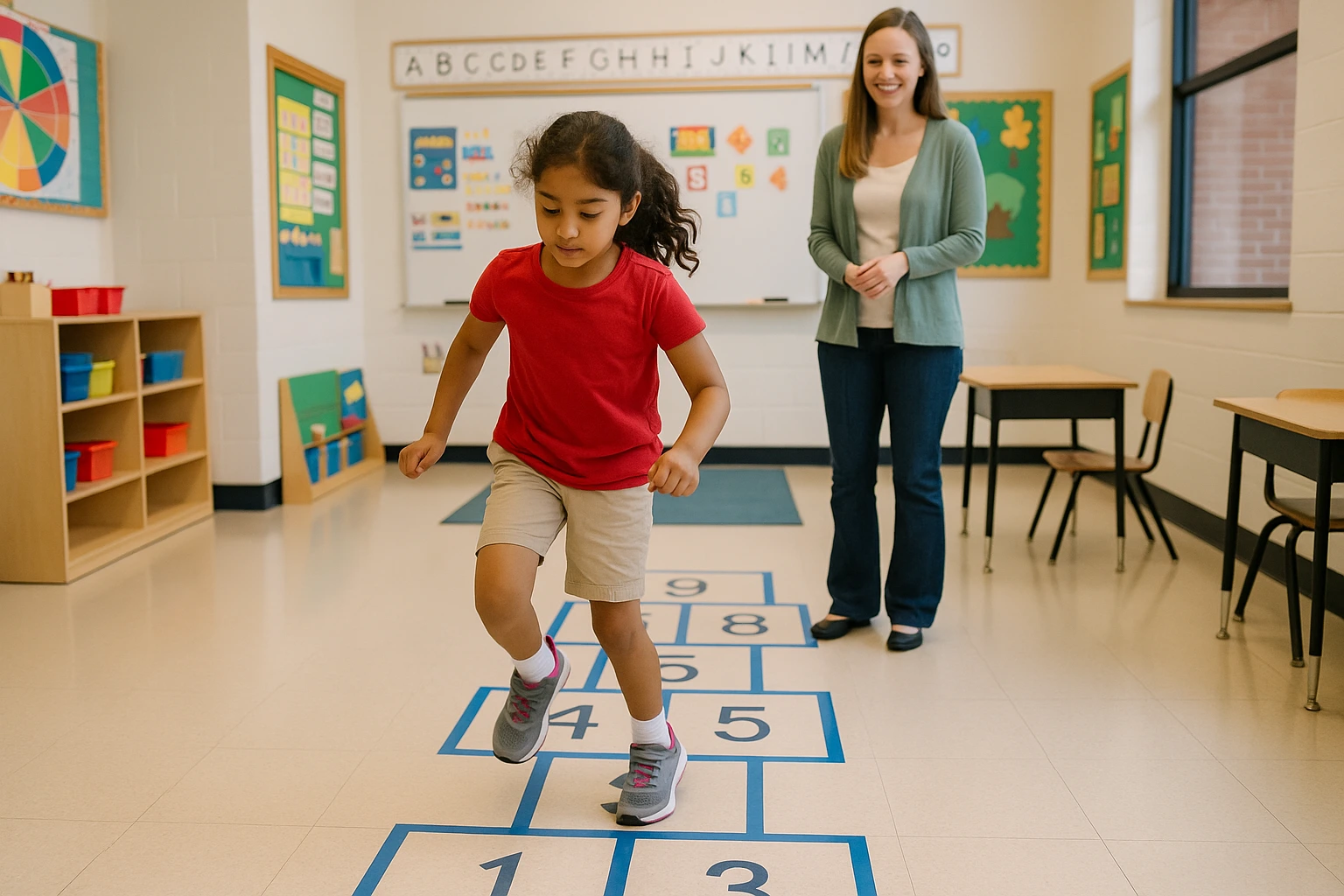
What are the Various Learning Disability Management Strategies?
To understand the learning challenges faced by children, what they lack, and how these challenges can be addressed, various Learning Disability Management strategies are required. These strategies are adaptive techniques used by teachers and parents to help children prevail over the difficulties they face in the learning and understanding process.
Let’s have a look at some of the effective Learning Disability Management Strategies:
Individualized Education Techniques
Teachers need to prepare teaching plans to meet the needs of the children with learning disabilities in the classroom so that it becomes easy for the children to cope with the syllabus and overcome their difficulties.
Multisensory Teaching Techniques
This method uses various aids to improve the sense of touch and develop fine motor skills among children. Activities like clay modelling, hand or finger painting, and finding objects in sand can be very helpful and interesting for children.
Reading and Literacy Apps
Tools like “Reading Rockets” and “Epic!” can help children with dyslexia and other reading difficulties.
Collaborative Learning
Children with learning disabilities are usually shy and do not get involved with other classmates easily; hence, to enhance their social skills, teachers should conduct group activities and collaborative games with learning purposes so that every child develops an interest in learning and is socially involved.
Regular Feedback and Positive Reinforcement
Recognising and appreciating the minor and major efforts made by children with learning disability and encouraging them to do better will eventually create a sense of confidence in a child.
Professional Development for Educators
Regular workshops and Training Sessions can keep teachers updated with the latest studies conducted on learning disabilities and how to handle them more effectively.
Parental Involvement
Incorporating parents in the process of learning and development of a child with a learning disability is very important, as parents are the first source to encourage a child. Teachers can provide learning patterns and some other methods that parents can apply while the child is at home.
Every child is unique, and implementing a flexible and adaptive approach can be very helpful in managing various learning needs and difficulties faced by children.
Understanding Learning Disabilities and Disorders allows parents to support their child with the right care and learning approach. With proper guidance, every child can grow confidently and achieve their potential. Choosing a nurturing environment plays a key role in this journey. Divineland Pre Primary School focuses on individualized attention, supportive teaching methods, and a positive atmosphere to help every child learn comfortably. Enrol your child today to give them a strong and encouraging start in their early education journey.
Give your child the right support—choose Divineland Pre Primary School today now!
Call or Whatsapp on +919082778593 / +918591021373, for More Details!
Click Here, to download the School Brochure!
Learning Disabilities and Disorders
FAQs
What are Some Common Signs of Learning Disabilities and Disorders?
Children may have trouble reading, writing, spelling, or math, or they may have trouble following directions or learning at the same rate as their peers.
Can Children with Learning Disabilities and Disorders Get Better?
Yes, with early help, the right teaching methods, and encouragement, children can get better over time.