Good hygiene habits for kids are vital to keeping them healthy and active in their day-to-day lives. When children are taught hygiene habits at a young age, they learn the significance of being clean and staying away from pathogens.
Simple habits such as hand cleaning, brushing teeth and keeping your clothes clean can make a major difference. Regular practice of Hygiene Habits builds children’s confidence and teaches them responsibility for their own care.
Importance of Personal Hygiene
Personal cleanliness is important in helping children stay healthy and active every day. Practicing hygiene habits like washing hands, cleaning teeth and keeping nails clean protects them from pathogens, which can make them sick. These Hygiene Habits will help to lower the incidence of infections and diseases, especially in school contexts.
When children practice good habits frequently, they acquire discipline and responsibility. Simple routines teach youngsters to take care of their bodies and the environment. These Hygiene Habits become part of daily life naturally, creating good lifelong habits that contribute to general well-being and confidence as children grow.
Call or WhatsApp on +919082778593 / +918591021373 for Admission Details!
Click Here to download the brochure!
Handwashing Habits
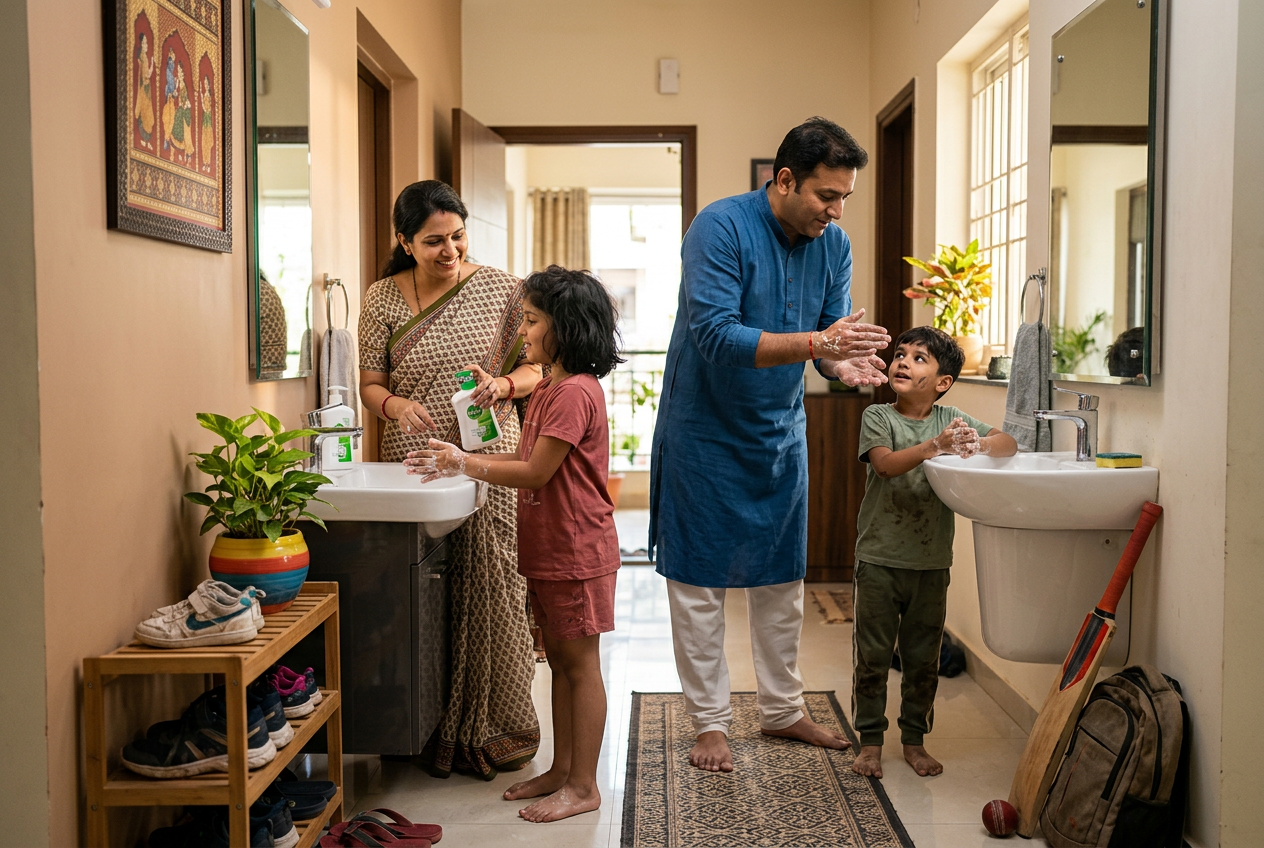
Handwashing is a Hygiene Habit that helps keep children protected from pathogens. Teaching kids good hygiene early helps them stay healthy and active.
- Before Eating: Children need to wash their hands since dirt and germs are washed away. Hygiene Habits are a daily practice.
- After Using the Toilet: This step is important to develop good Hygiene Habits and avoid the spread of bacteria.
- After playing Outdoors: Outdoor play can bring germs; washing hands helps maintain healthy Hygiene Habits.
Kids should do the same every day to have effective Hygiene Habits. They should use soap, scrub for 20 seconds, rinse well and dry their hands appropriately.
Oral Hygiene
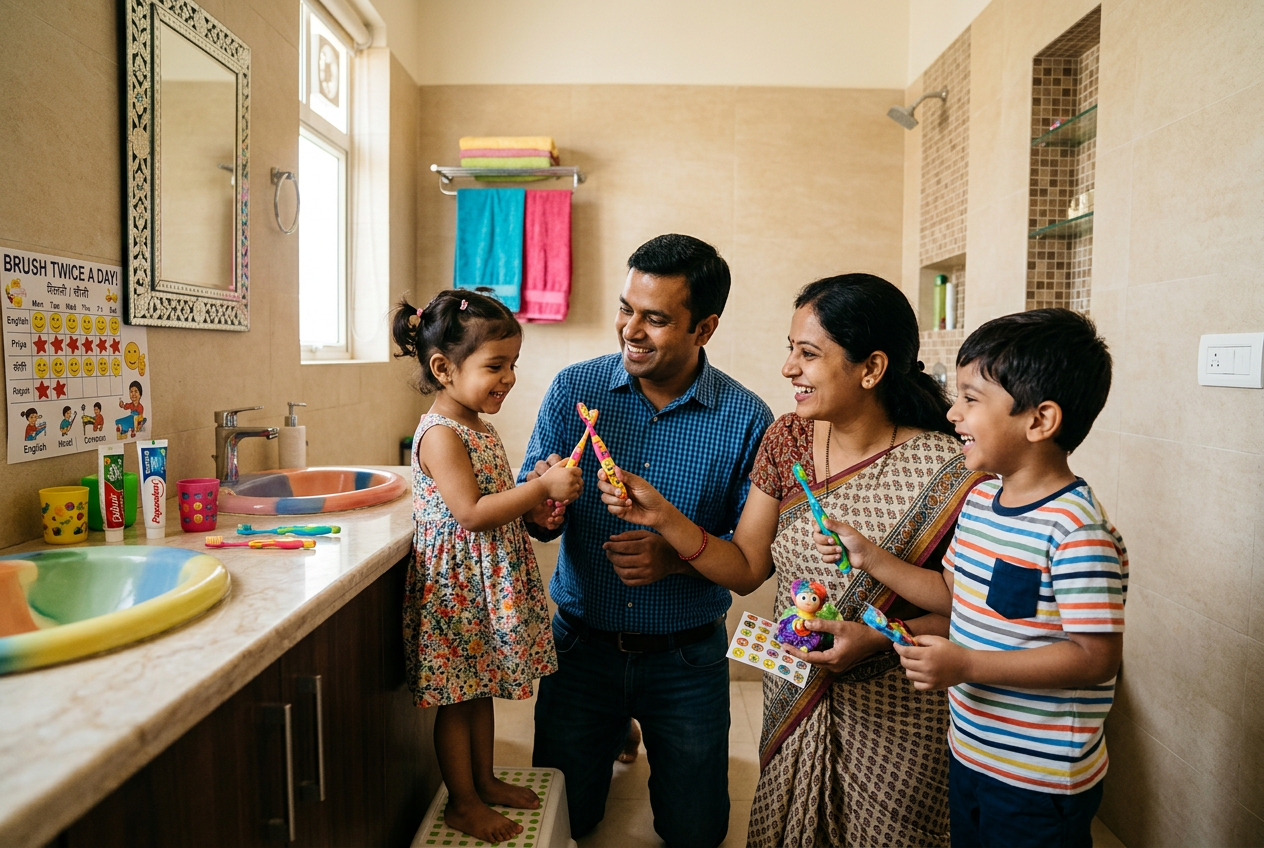
Building excellent healthy habits in children from an early age is an important element of oral care. Brush teeth twice a day. Brushing teeth helps kids clean food particles from their teeth and helps prevent cavities. A soft toothbrush (the kind used for children) will make the process safe and comfortable.
Parents can add tunes, colourful brushes, or reward systems to encourage regularity and to make brushing pleasurable. These modest steps help promote healthy smiles and create lasting Hygiene. With the right guidance and supervision, children will learn the correct skills, making this an easy and fun part of their daily hygiene practice.
Bathing and Cleanliness
Hygiene habits are vital in children, and bathing and cleanliness are important parts of that. Regular bathing helps kids to keep their bodies clean from dirt, perspiration and pathogens. Teaching children healthy habits, such as washing correctly with soap and water, makes a huge difference.
It is also important to cut your nails. With the right guidance and supervision, children will learn the right skills, making this an easy and fun part of their daily Hygiene Habits practice. Dirt and bacteria can get trapped in long nails, which can impact your hygiene. Fresh clothes every day promote good hygiene and avoid Skin Problems. Parents and Teachers should motivate children to practice these Hygiene Habits regularly so that they grow up knowing the importance of personal care and cleanliness.
Healthy Food and Hygiene Connection
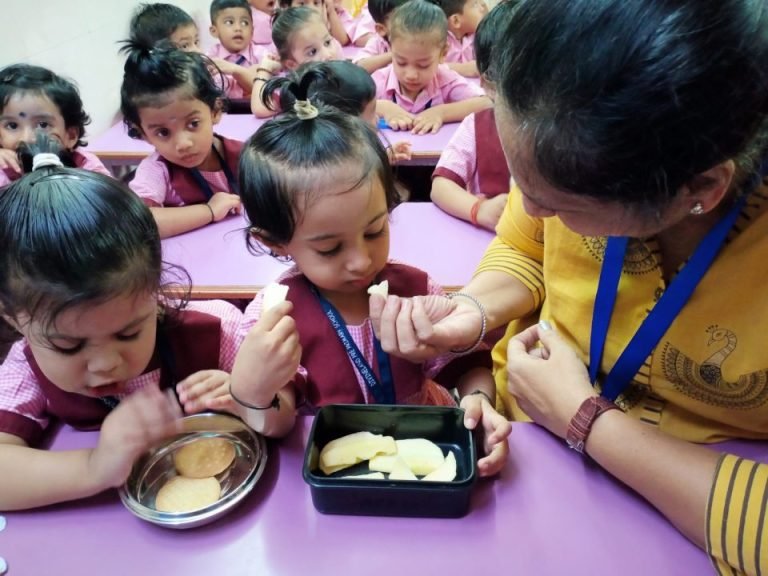
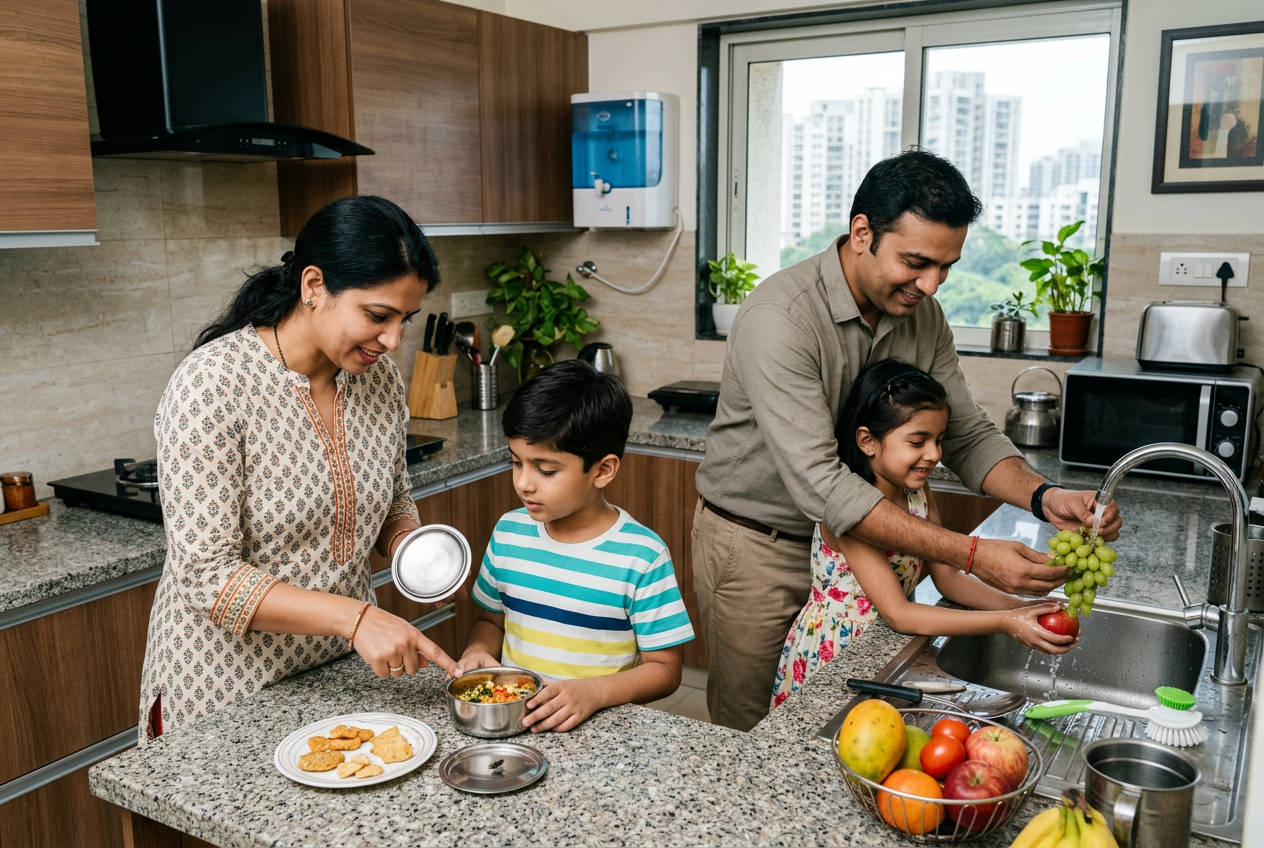
Teaching children appropriate Hygiene Habits is about Healthy eating and hygiene. Cleaning fruits and veggies before you consume them removes dirt, germs and bad things, making food safer for kids. Eating fresh, home-prepared meals also encourages good Hygiene Habits and greater health. Clean hands before meals and food stored properly reduces the risk of sickness.
Parents and instructors should teach youngsters to know safe food practice is the component of daily healthy habits. Simple efforts, such as cleaning vegetables and not eating food left uncovered, can help youngsters develop responsible eating patterns and preserve general well-being through persistent Hygiene Habits.
Teaching Hygiene in Fun Ways
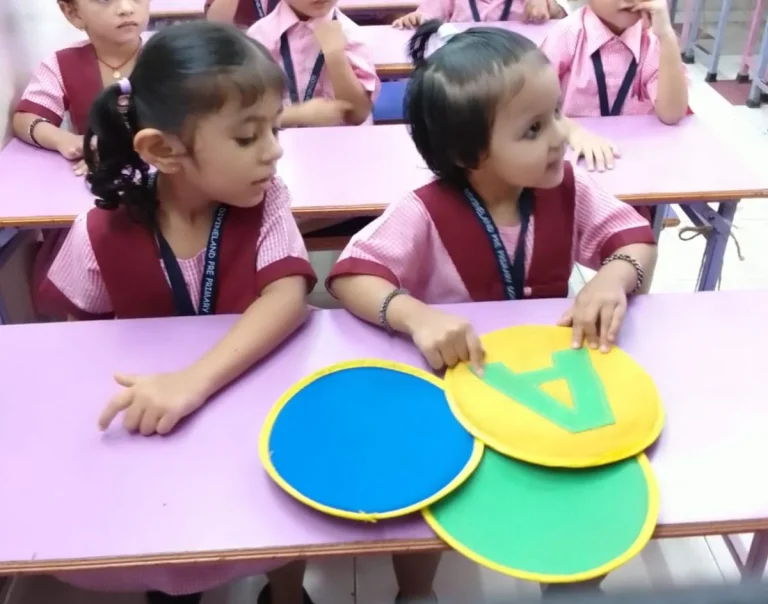
Teaching kids using enjoyable approaches makes learning easy and engaging. Songs are a good technique to develop Hygiene Habits. Kids love to repeat catchy phrases while they wash their hands or brush their teeth. Visual charts can also help Hygiene Habits by demonstrating easy daily activities with colourful pictures.
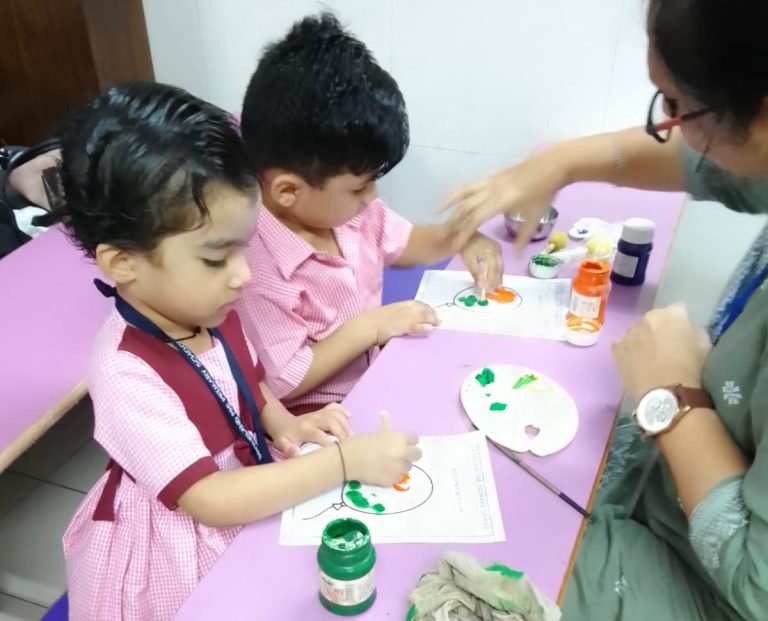
Games such as role play or prize-oriented activities motivate youngsters to practice Hygiene Habits frequently without feeling pressured. To keep kids motivated, parents and instructors might set up minor tasks or sticker prizes. These entertaining ways make it easier for youngsters to remember tasks and convert everyday procedures into fun learning experiences.
Role of Parents and Teachers
Parents and instructors have a significant role to play in developing hygiene in children. Young learners often follow the actions of adults, making it essential to consistently demonstrate good Hygiene Habits. Simple things like hand washing before meals and cleanliness of surroundings are good examples. Consistency allows youngsters to follow Hygiene Habits without reminders.
- Make it clear what everyday routines are
- Gentle Reminders on Developing Hygiene Habits
- Encourage youngsters to practice Hygiene Habits
- Establish a routine for hygienic duties
Children acquire good Hygiene Habits when parents are steady and positive, and these habits persist with children into their adult years.
Teaching children good hygiene practices early on enables them to be healthy, confident and ready to study. And, when practiced on a daily basis, these routines become second nature to a child. This approach is easier and more effective in a supportive learning environment. Divineland Pre Primary School emphasizes caring guidance of children and is committed to instilling healthy hygiene practices with general development. So if you’re a parent seeking a loving place, you can consider enrolling your child to support healthy growth and lifelong good habits.
Give your child a bright start—choose Divineland Pre Primary School today! now!!
Call or Whatsapp on +919082778593 / +918591021373, For Admission Details!
Click Here to download the brochure!
FAQs
How Can Parents Teach Hygiene Habits to Children?
Parents may teach good hygiene to kids by providing a good example, having regular routines, giving basic instructions and making tasks like handwashing and tooth brushing entertaining.
What are Basic Hygiene Habits Every Child should Learn?
Basic hygiene practices are to wash hands regularly, to brush teeth twice a day, to take a bath every day, to wear clean clothes, to keep nails trimmed.