Environmental Awareness means understanding the importance of nature and learning how our day-to-day actions affect the world around us. Our environment provides us with the basic resources we need to live – clean air, water, food and a healthy place to live. But serious environmental problems are being generated by pollution, deforestation, climate change and over-consumption.
By establishing Environmental Awareness, individuals can know about these issues and take suitable activities to save environment. There are simple things we can all do to help make our environment a healthy place, such as saving water, planting trees, using less plastic and keeping our surroundings clean.
What is Environmental Awareness?
Environmental Awareness is the knowing and understanding of environmental issues and its influence on humans, animals, plants and natural resources. It raises awareness of the link between our actions and the environment.
It also encourages individuals to use natural resources responsibly and make choices that will prevent environmental damage. This understanding is developed through schools, families and communities.
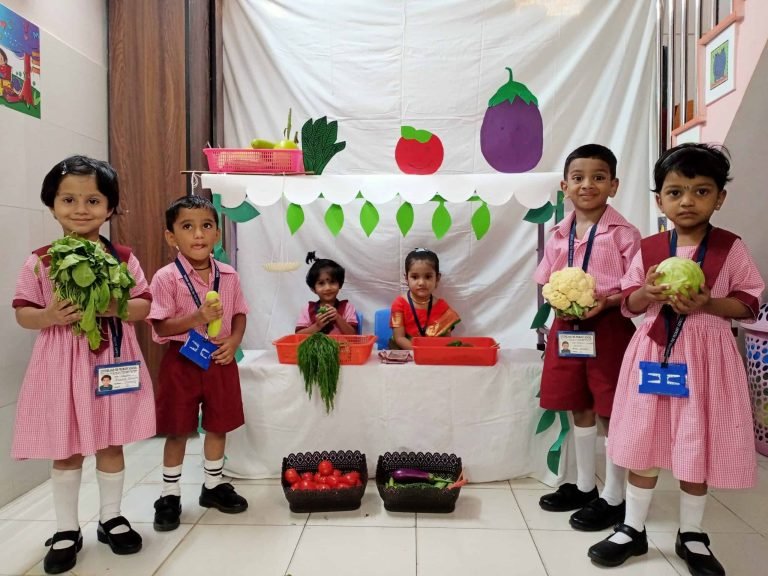
Simple activities such as identifying flora, importance of trees, learning about recycling and cleanliness of environment should be introduced to the younger generation to foster Environmental Awareness.
Why is Environmental Awareness Important?
Environmental Awareness is an important aspect of a better lifestyle and conservation of natural resources. It helps individuals to understand environmental issues, and to take meaningful steps to address those issues.
Saves Natural Resources
We need water, trees, soil and minerals, that is, natural resources to live. But misuse or overuse will sap them.
Environmental Awareness enables people to save these resources by reducing waste, using water wisely and not wasting. Simple measures like turning off the tap, switching off electrical equipment when they are not in use and using products which can be reused, help save resources for future generations.
Cuts Pollution
Air, water, land and noise pollution all effect on human health and the natural environment. Pollution can be from car emissions, industrial waste, plastic goods and inadequate rubbish disposal.
As environmental consciousness grows, more individuals are realizing the pollution sources and how to prevent them. Public transportation, minimize single use plastics, proper disposal of waste, and maintaining clean are some ways to reduce pollution.
Encourages Sustainable Living
A sustainable lifestyle is one in which resources are used in a responsible manner without compromising the ability of future generations to meet their needs.
Environmental Awareness promotes sustainable actions including saving electricity, reducing food waste, choosing recyclable items and recycling materials. These behaviours serve to reduce environmental damage and encourage responsible consumption.
Wildlife & Biodiversity Conservation
In forests, oceans, rivers and other natural settings live various kinds of plants and animals. Deforestation, pollution and habitat loss threaten their survival.
Environmental Awareness helps individuals to comprehend the importance of wildlife and biodiversity conservation. We preserve natural habitats, grow native trees, don’t litter and take part in conservation programs to help maintain biological balance.
Creating a Healthier Future
A clean environment is important for physical and mental wellbeing. Clean air, clean water, green places, good waste management – that’s a healthy community.
Environmental awareness encourages the adoption of suitable behaviours that can reduce environmental risks. As people learn to live more sustainably, they are making their surroundings cleaner and improving their quality of life.
Call or Whatsapp on +919082778593 / +918591021373, for more details!
For downloading the brochure, Click Here!
How can We Develop Environmental Awareness in Children?
Teaching environmental awareness to kids at an early age helps them learn how to respect nature and about responsible habits. Parents and teachers can use hands-on activities, stories and everyday experiences to introduce environmental ideas.
Organizing Tree Plantation Activities
Tree plantation activities teach children the importance of plants and trees. Teachers may encourage students to plant seedlings in school gardens or in appropriate places in the community.
Kids may learn how trees provide us with oxygen, clean the air, offer animals a home and help keep the environment in balance. Watering and caring for plants also encourages the development of patience, responsibility and observation skills.
Educate on Waste Segregation & Recycling
Segregation of waste is a good way to make young students aware of the environment. The teachers can illustrate the difference between biodegradable and non-biodegradable garbage using examples familiar to the children.
Children can practice sorting paper, food waste and plastic packaging into the correct waste categories. Through creative recycling activities (for example, making pencil holders from old containers), youngsters learn to value reusing goods rather than throwing them away.
Promoting Water Conservation
Saving water is an important environmental behaviour that children may practice on a daily basis. Teachers and parents can discuss about the necessity of clean water for drinking, cooking, farming and cleanliness.
Children should be taught not to waste drinking water, to turn taps off properly and to tell an adult of dripping taps. These simple methods teach kids that water is a valuable resource and should be used carefully.
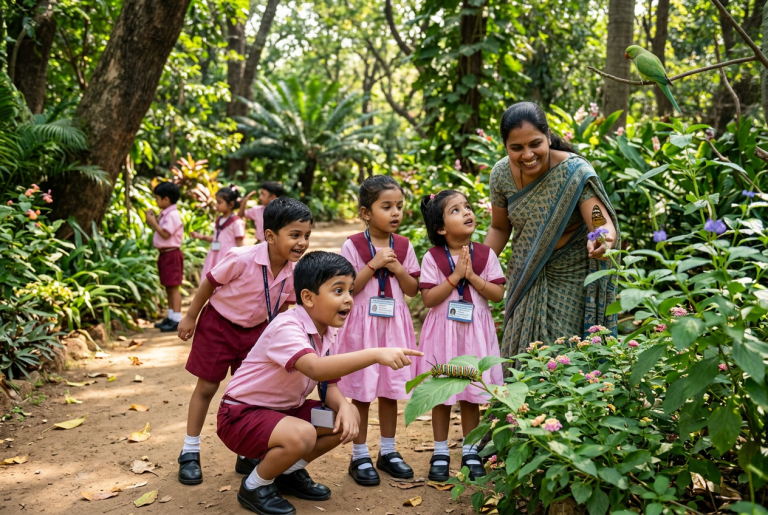
Organize Nature Walks
Walking in nature provides young people with the opportunity to check their surroundings and learn about the natural world. These exercises can be used to get students to identify trees, flowers, insects, birds and many kinds of leaves. Children can also observe the change of seasons and talk about why it’s vital to protect natural ecosystems.
These activities give more meaning to Environmental Awareness and help students connect what they learn in the classroom to what they see and experience in real life.

Environmental Games & Activities Introduction
The interactive activities make the environmental education engaging and fun for children.
Teachers can organize:
- Nature Collage: Children make pictures from fallen leaves, flowers and other harmless natural materials.
- Recycling Games: Students locate recyclable and non-recyclable items.
- Save Water Posters: Children make drawings of how to save water.
- Plant Growth Activities: Students see seeds as they grow into plants.
- Clean Classroom Challenge: Children learn to maintain their learning places neat and tidy.
The activities help youngsters to learn better and promote team work, creativity and responsible behaviour.
What are the Benefits of Environmental Awareness?
Developing Environmental Awareness has many long term advantages for people and their communities.
- Promotes Good Habits: Motivates people to minimize waste, save resources and keep things clean.
- Enhances Environmental Awareness: educates people about pollution, climate change, conservation and biodiversity.
- Builds Problem-Solving Skills: Encourages pupils to identify environmental issues and propose solutions.
- Encourages Community Participation Motivates individuals to join in cleanliness initiatives, plantation activities and recycling programs.
- Promotes Respect for Nature: Encourages children to value plants, animals, and natural surroundings.
Such benefits show the beneficial difference environmental education can make to everyday decisions and behaviour.
What is the Role of Teachers in Promoting Environmental Awareness?
Teachers are playing a significant role in developing Environmental Awareness among youngsters. They can raise environmental ideas through classroom discussions, through instructive stories, through experiments, and through practical learning activities. Teachers can also assist students in developing environmentally responsible activities in school.
For instance, students can put their knowledge into practice through a recycling corner in the school, projects relating to nature and the adequate use of water.
Teachers may set a positive example for children to care for their environment and be responsible citizens.
Environmental Awareness helps children understand the importance of protecting nature, saving resources, and keeping their surroundings clean. Teaching these values from an early age encourages responsible habits and love for the environment. At Divineland Pre Primary School, children learn through engaging activities and practical experiences. Enroll your child at Divineland Pre Primary School to build a strong foundation for a brighter future.
Nurture eco-friendly habits! Enroll your child at Divineland Pre Primary School.
Call or Whatsapp on +919082778593 / +918591021373, for more details!
For downloading the brochure, Click Here!
FAQs
How can Teachers Promote Environmental Awareness in Children?
Teachers can organise nature walks, planting activities, recycling games, and storytelling sessions to teach children about protecting the environment.
How does Divineland Pre Primary School Teach Environmental Awareness?
Divineland Pre Primary School encourages environmental awareness through fun activities, nature-based learning, and lessons on caring for the planet.