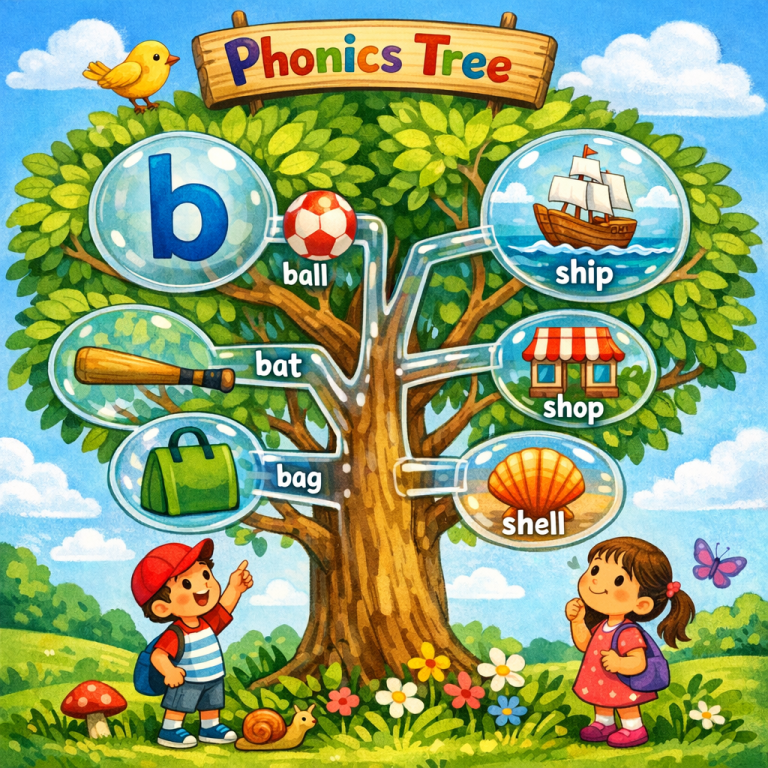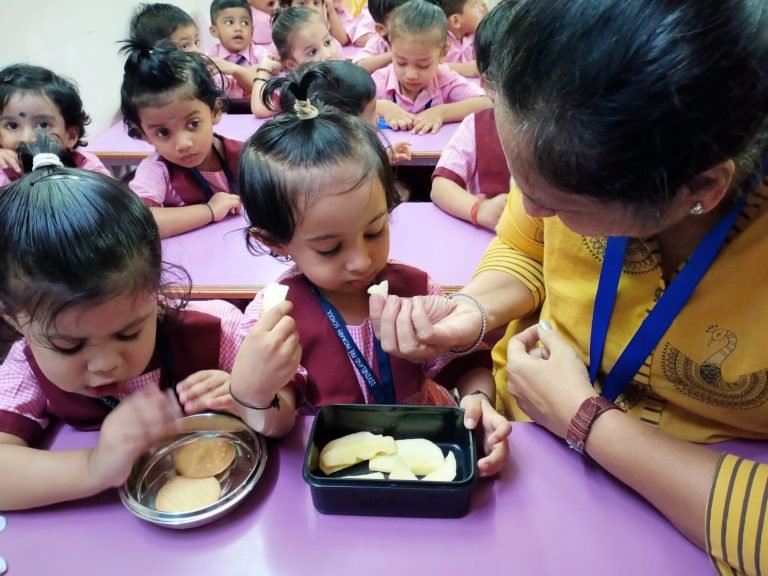
Teaching phonics through activities is a great way to help young kids learn about sounds, letters, and how to read. Kids stay interested and gain confidence little by little as they learn in enjoyable and easy ways.
Games, songs, and hands-on activities that make learning fun and easy to remember are all good ways to teach phonics. Parents and instructors can make Activities for Teaching Phonics more useful by employing fun and interactive ideas. This will help kids learn to recognize sounds, make words, and build a strong base for reading.
Activities for Teaching Phonics
Teaching phonics helps kids learn the basic skills they need to read. Phonics Activities that are fun, interesting, and participatory make learning effective and fun.
Call or Whatsapp on +918850061389 / +918591021373, for Enrolling in Phonics Classes!
Click Here, to download the brochure!
You can try these new and useful phonics teaching activities at home or in the classroom:
Talking About Letters and Sounds
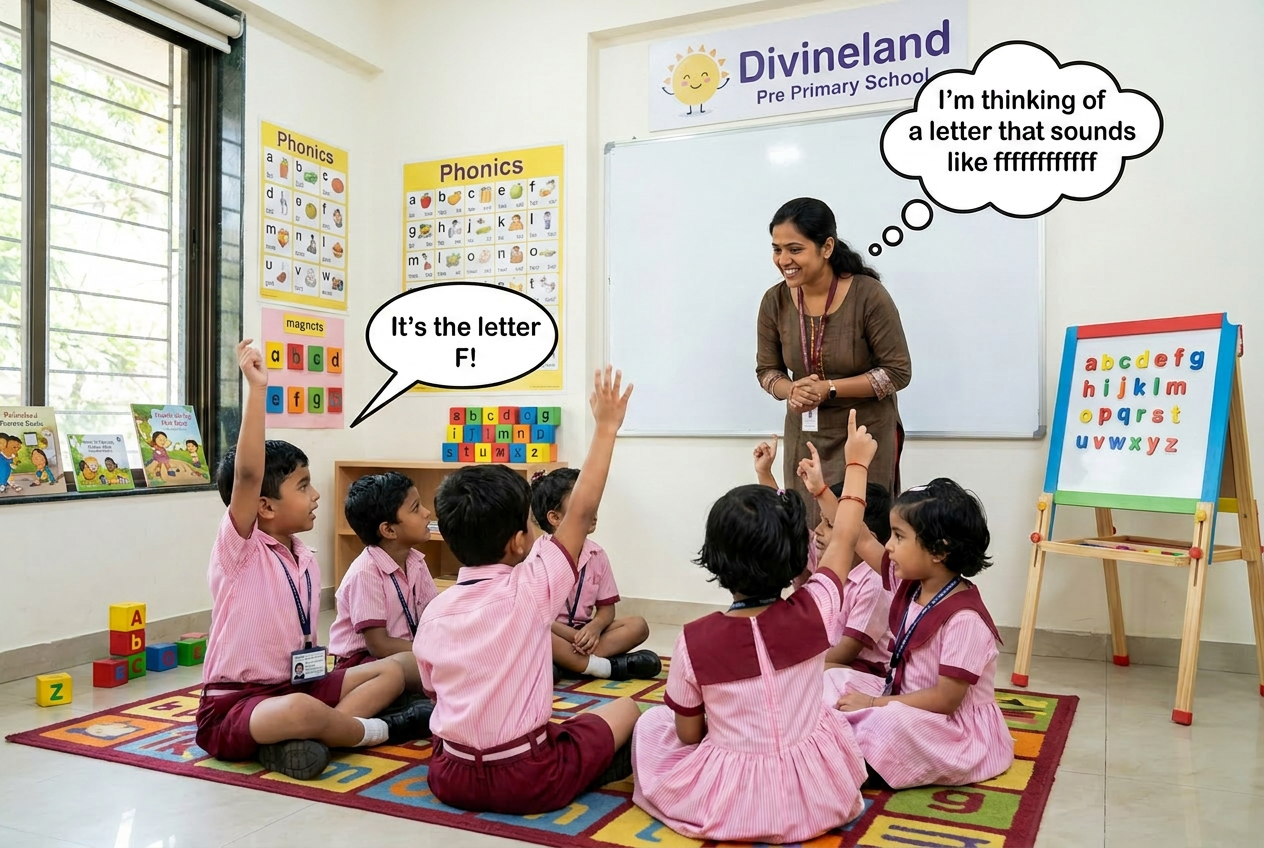
- Make it a game: Help kids learn how letters sound by playing with them. For instance, you may remark, “I’m thinking of a letter that sounds like fffffffffff,” and let them guess.
- Use songs, stories, or riddles to get kids to learn the letters.
Modelling Finger Point Reading
- As you read, move your finger under each word to demonstrate how it moves from left to right.
- Have your child do this too, as it helps them recognize words and read in the right direction.
Practicing Patience
Early readers may need some time to figure out what words mean. Don’t rush in too quickly; give them room to sound out letters and put them together to make words.
Encouraging Attention to Letters and Sounds
- If your child is having trouble with a word, point to the initial letter and ask them to say the sound it makes.
- If there are no decodable words, such as “was,” give the word and explain why it doesn’t follow the normal phonological rules.
Try These Activities for Teaching Phonics at Home
Parents can do these phonics activities at home:
Alphabet Scavenger Hunt
Choose a book and have your youngster look for the letters of the alphabet in order. Talk about which letters are easier or harder to locate and why.
Grocery Store Literacy
Pick a letter before you go into the store. Look for things that start with that letter, such “p” for peanuts, popcorn, or pineapple. Put more emphasis on the sound the letter produces.
Trace and Say
Let your youngster trace letters with their fingers on sand, paper, rice, and other things. While they trace, they should tell what the letter sounds like. You can make this longer by tracing basic words and saying them out loud.
Letter Sound Dominoes
Make or get letter sound dominoes. Kids can match letters with their sounds, which helps them remember and recognize them better.
Call or Whatsapp on +918850061389 / +918591021373, for Enrolling in Phonics Classes!
Click Here, to download the brochure!
Multisensory and Interactive Ideas
Here are some fun multisensory and interactive ideas:
The “H Brothers” Story
Tell a narrative about the “H Brothers” to help kids understand letter combinations like “sh,” “ch,” “th,” and “ph.” Use objects or gestures to help each sound stick in your mind.
Fridge Fun
With magnetic letters, have your child put the letters of the alphabet in order, make simple words, or alter one letter in a word to make new ones. Change “cat” to “bat,” for example.
Scrambled Words
Use magnetic letters or write to mix up a three-letter word. Ask your youngster to put the letters in the right order and unscramble it.
Sight Word Spy
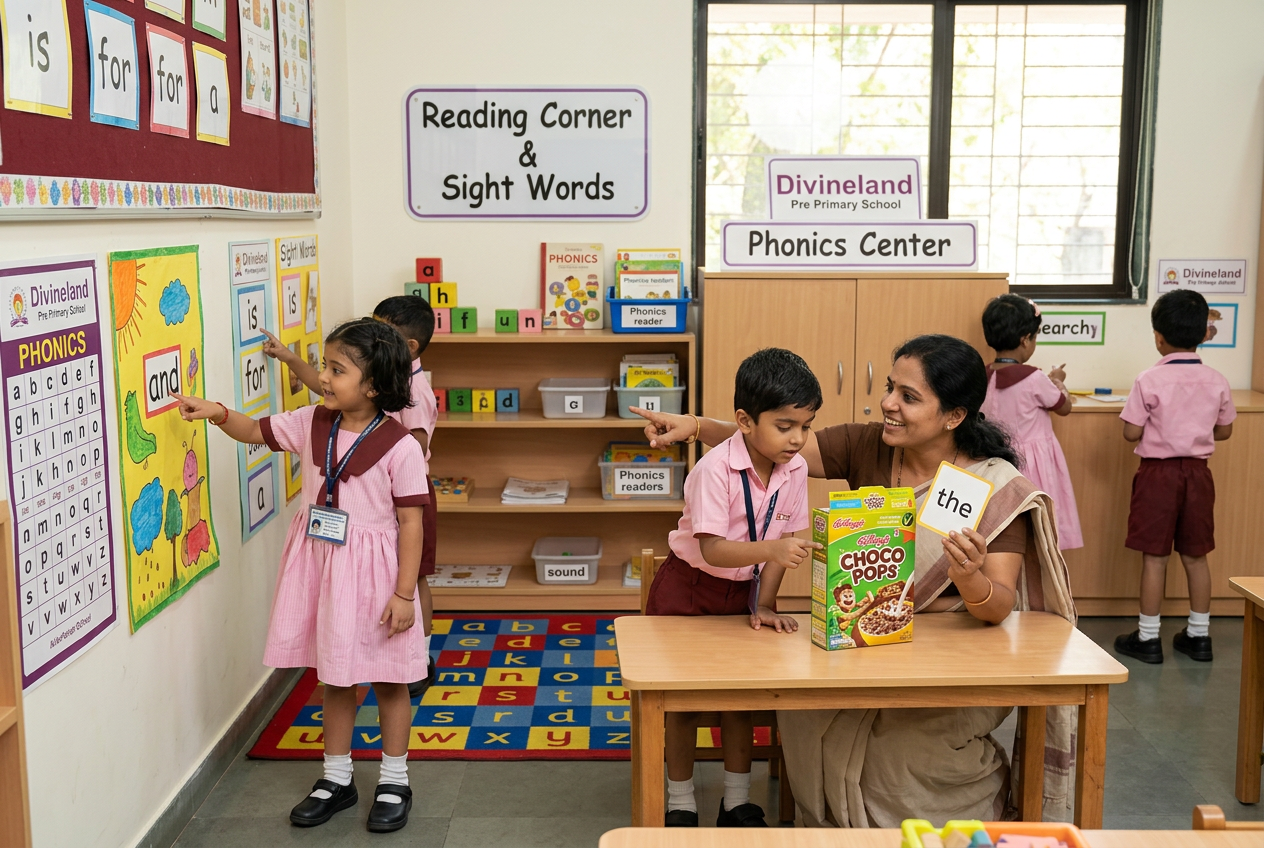
Tell your child that sight words are “hiding” all over the place. You can find them on posters, cereal boxes, and signage. Celebrate each new thing you find to boost your confidence and excitement.
Decodable Books
Introduce books with letter-sound patterns that are easy to guess so kids can practice decoding. Read to them often to help them learn new words.
Sight Words
Concentrate on words that are hard to sound out, like “the” and “was.” Make memorization fun by using flashcards or colourful chalk to write them down.
Adding these phonics activities into your daily life can make studying feel like an adventure. All of the Activities for Teaching Phonics, such as tracing letters with Multisensory and Interactive Ideas, playing letter sound dominoes, or finding sight words, help kids learn important reading skills while having fun.
Having good phonics abilities helps kids read and talk with confidence from a young age. The correct learning environment can make a major difference in how well these talents grow. In Divineland’s Phonics Classes, kids learn to read by doing fun activities, following structured lessons, and using supporting teaching approaches. Parents who want to help their child get ahead in reading and writing might want to sign them up for Divineland’s Phonics Classes, which are fun and meaningful.
Build strong readers early—enroll in Divineland’s Phonics Classes today!
Call or Whatsapp on +918850061389 / +918591021373, for Enrolling in Phonics Classes!
Click Here, to download the brochure!
FAQs
Why are Phonics Activities Important for Kids?
By helping kids connect sounds with letters, phonics exercises help them become better readers and spellers. They also make learning fun and interesting, which boosts confidence.
How can Divineland’s Phonics Classes help My Child?
Divineland's Phonics Classes offer fun activities to teach phonics that help kids read, speak, and recognize words better, providing them a firm base for learning more in the future.