Teaching Techniques for Preschoolers play an important role in shaping how young children learn and grow during their early years. At this stage, children are naturally curious, energetic, and eager to explore the world around them. Effective Teaching Techniques for Preschoolers focus on simple, engaging, and playful methods that help children understand new ideas while enjoying the learning process.
Activities such as storytelling, hands-on games, music, and creative play can support both cognitive and social development. By using thoughtful Teaching Techniques for Preschoolers, educators and parents can build a positive learning environment that encourages confidence, creativity, and a strong foundation for future education..
Storytelling and Role Play
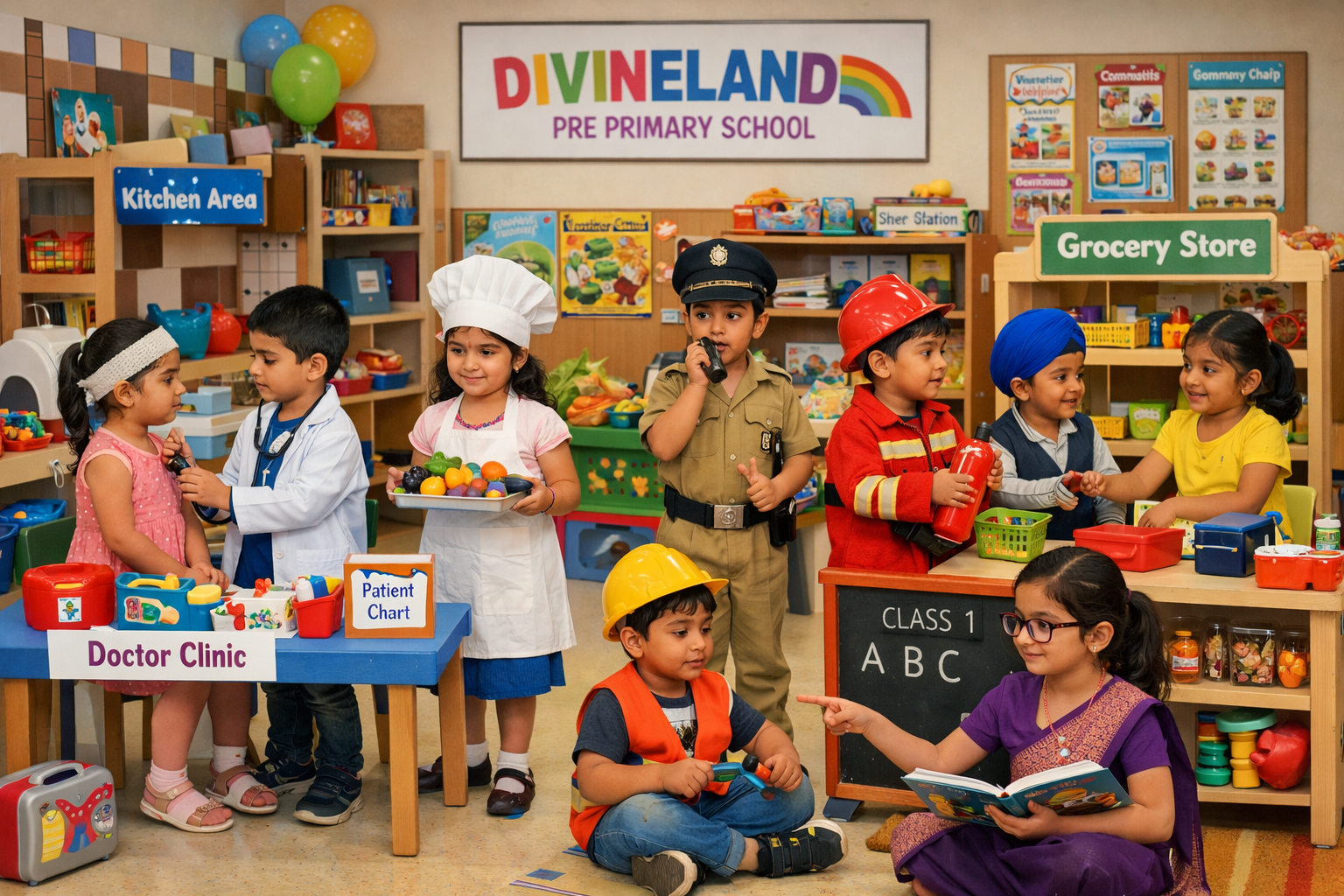
Telling stories is a great way to teach preschoolers. It sparks their imagination and helps them learn new words. For instance, telling a narrative about animals and then getting the children to act out the roles of different animals helps them remember and learn better. Role play helps people learn how to get along with others and comprehend their feelings. Storytelling and roleplay are two important ways to help students learn differently.
Hands-On Learning
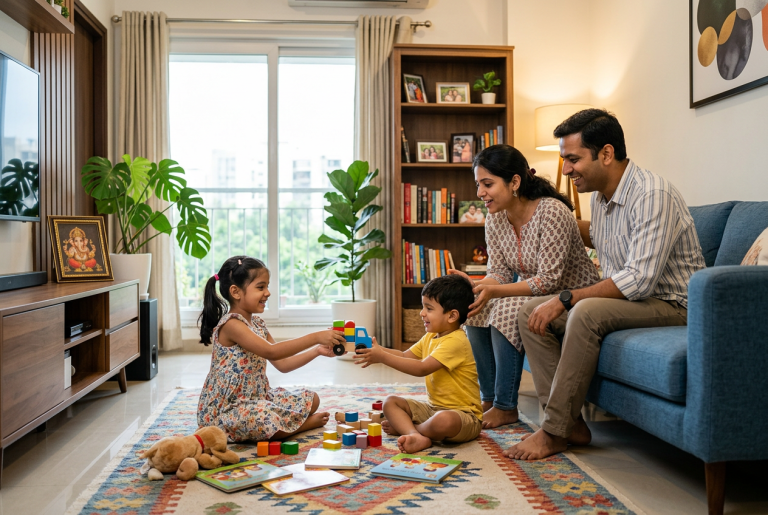
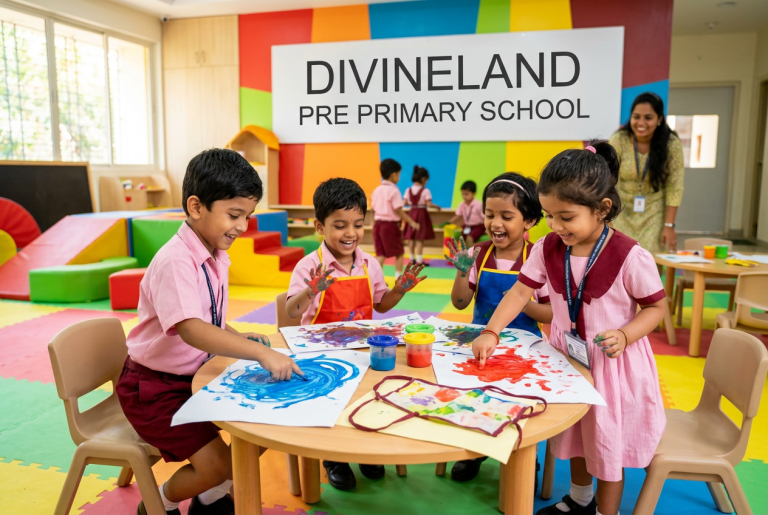
Experiences are the best way for preschoolers to learn. Students can learn about the world around them by doing things like clay modeling, painting, or building blocks. For instance, building blocks can teach toddlers about shapes, balance, and coordination by letting them make small buildings.
Music and Movement
Adding music and movement to the lesson plan is a great way to teach preschoolers. Songs with actions, like “The Hokey Pokey,” help kids learn about their bodies and how to move them. You can also use music and dance classes to teach things like counting, colors, and more.
Call or Whatsapp on +919082778593 / +918591021373, for inquiry!
Click Here, for downloading the brochure!
Interactive Games
Games that need kids to interact with each other are great for keeping preschoolers busy. Games like “Simon Says” and “Duck, Duck, Goose,” which are easy to play and involve movement, are fun and help kids learn to follow rules and listen more closely.
Art and Craft Activities
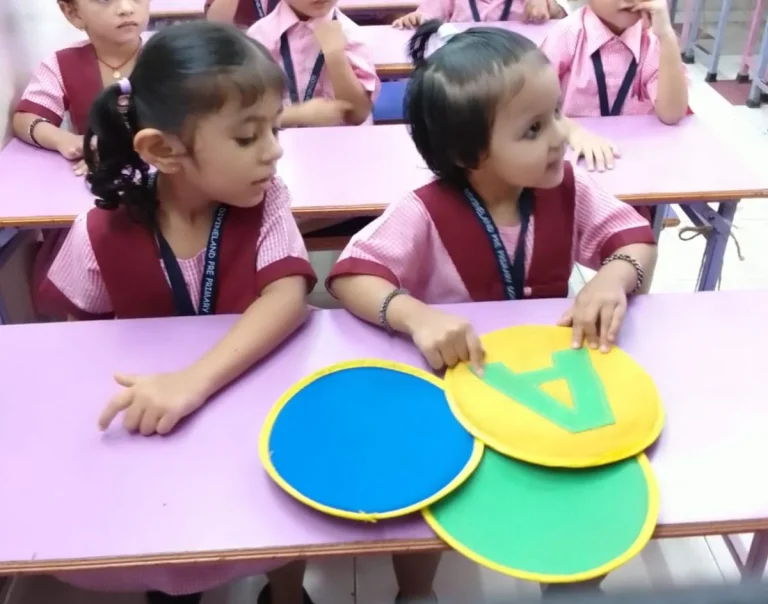
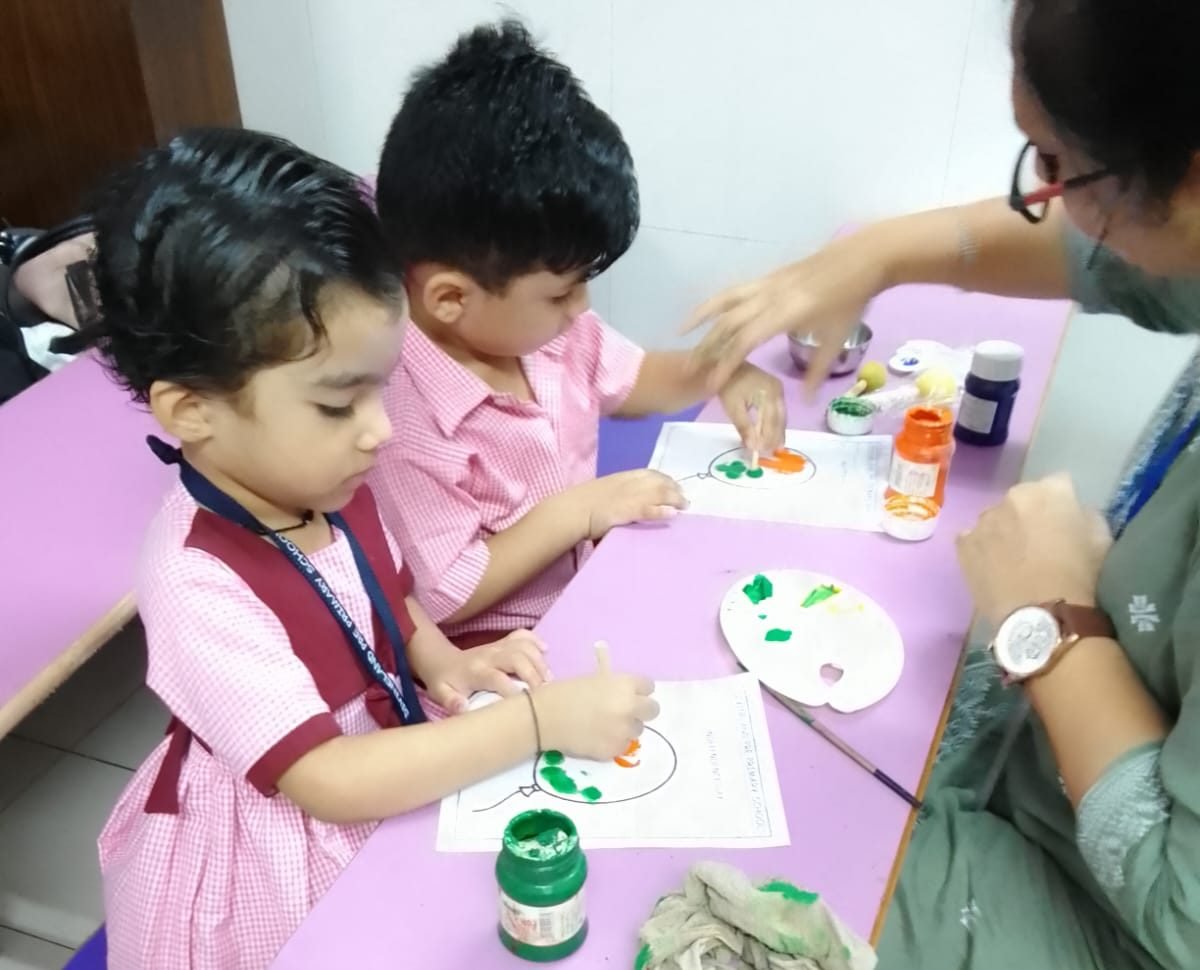
Art and craft projects encourage kids to use their imaginations and improve their fine motor abilities. Cutting shapes out of colorful paper and putting them together to build a collection is not only fun, but it also helps kids improve their hand-eye coordination and ability to recognize shapes and colors.
Nature Exploration
Teaching preschoolers outside in a natural atmosphere is a good way to teach them. Nature walks, when kids may pick up leaves, stones, and other natural things, are a great way to teach them about nature and get their senses going. Exploring nature helps kids satisfy their natural curiosity and find solutions to their new inquiries.
Group Discussions and Collaborative Activities
Group conversations and activities that require people to work together help people learn social skills and how to work as a team. Simple group activities like putting together a big puzzle or telling a narrative together, with each child adding a line to the story, can work extremely well.
Sensory Play
For preschoolers, sensory play is very important for their growth. Playing with sand, water, or play-dough gives kids real experiences that are important for their sensory development. For instance, playing with sand can help kids learn about different textures, how much there is (more or less), and even some basic physics (how sand moves and acts).
Use of Technology
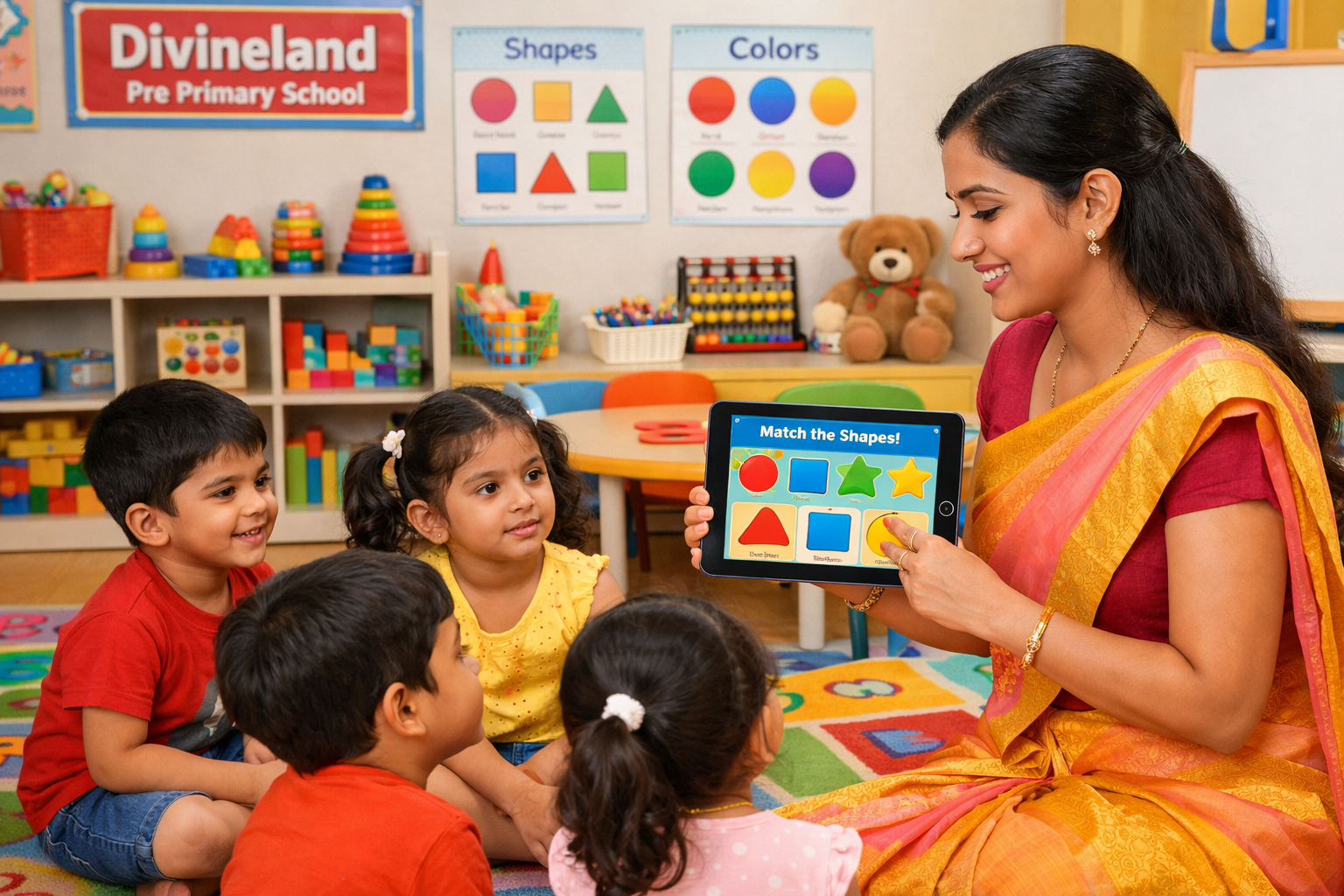
Technology can be a good way to learn if you use it in moderation. Interactive games and educational apps can help pupils remember what they learn in class. For instance, an app that uses interactive games to teach shapes and colors is a great method to reinforce these ideas. Using technology makes kids feel amazed and curious, which helps teachers keep their attention for longer.
Positive Reinforcement
A crucial way to teach preschoolers is through positive reinforcement. No matter how small, praising kids for their work and hobbies enhances their self-esteem and encourages them to keep trying and learning. A simple “Good job!” or a sticker for a job well done, for example, could make a big difference.
These teaching methods for preschoolers are meant to keep kids interested in a variety of ways while also fulfilling their developmental needs and learning preferences. Teachers can use these methods to make the classroom a lively and effective place for their young students to study.
From a young age, good teaching methods can help kids build confidence, curiosity, and a love of learning. When caring teachers and fun activities guide these methods, kids learn vital social and intellectual skills. Divineland Pre Primary School helps every child grow and learn pleasantly by using careful teaching methods, engaging learning, and helpful supervision. Divineland Pre Primary School is a great place for parents who want their child’s education to start off on the right foot.
Give your child a smart start—choose Divineland Pre Primary School!
Call or Whatsapp on +919082778593 / +918591021373, for inquiry!
Click Here, for downloading the brochure!
Teaching Techniques for Preschoolers
FAQs
Why is Play-Based Learning Important for Preschool Children?
Play-based learning helps children develop creativity, social skills, and problem-solving abilities. It also makes learning enjoyable while improving attention and overall development.
How does Divineland Pre Primary School Support Preschool Learning?
Divineland Pre Primary School uses interactive teaching techniques, fun activities, and guided learning to support early development and build strong educational foundations for children.