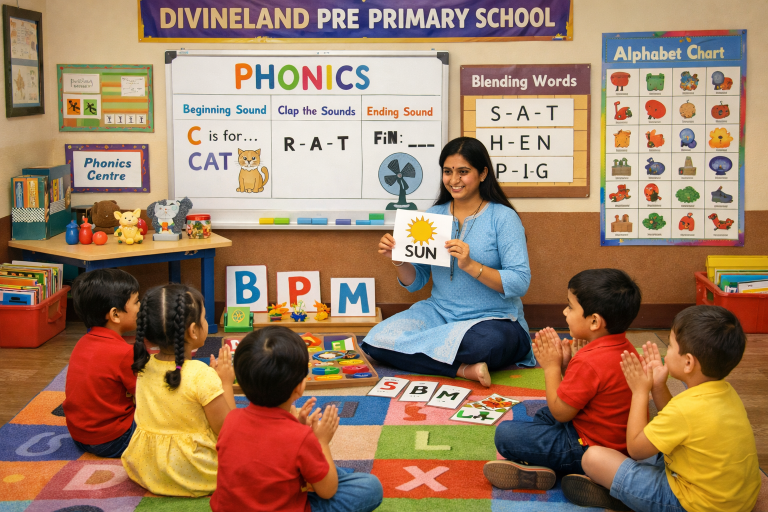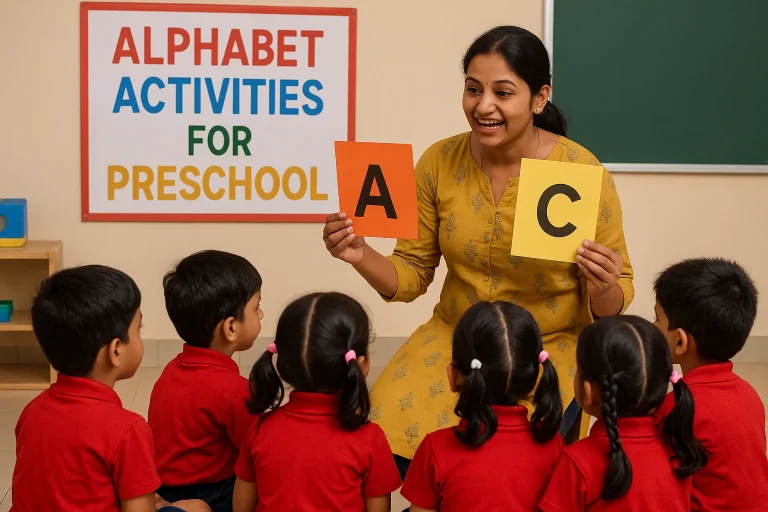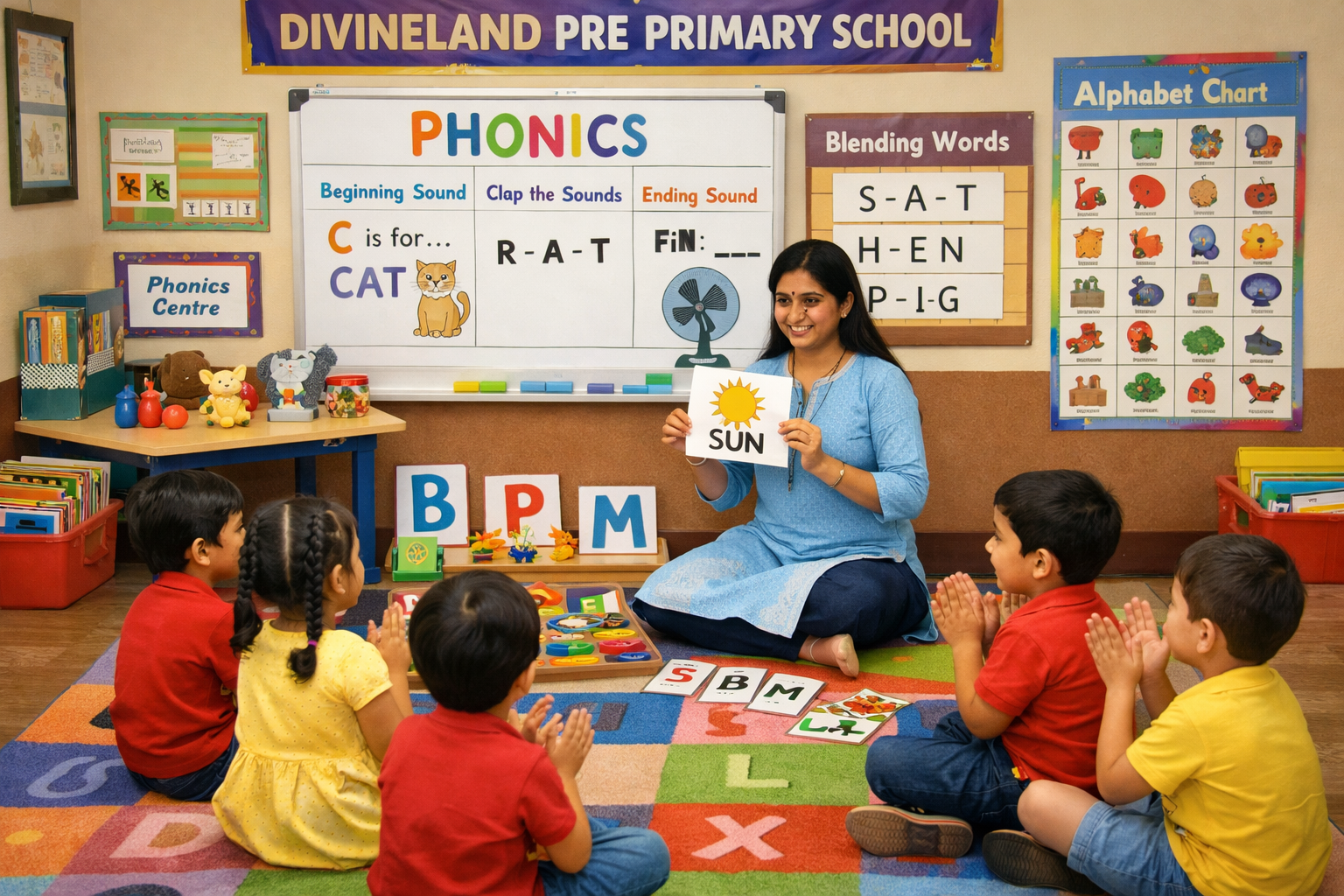
Learning phonics is a big part of helping young kids become good readers and writers. Kids learn how to read by connecting letters to their sounds. This helps them grasp how words are put together.
Phonics Learning also helps kids learn to spell, pronounce words correctly, and listen better from a young age. When kids practice Phonics Learning on a daily basis, they get more comfortable with language and improve their communication abilities. This sets them up for success in the future.
Builds Strong Reading Skills
One of the best things about Phonics Learning is that it makes it easier for kids to read. Kids discover what sound each letter or set of letters makes. They can put these sounds together to read words correctly once they know them.
Students don’t have to memorize every word when they learn phonics regularly. They learn how to sound out new words instead, which makes them more confident in their reading. This strategy helps kids read phrases and short stories more accurately and fluently over time.
For Admission Details, Call or Whatsapp on +918850061389 / +918591021373.
Click Here, to download the brochure!
Improves Spelling Ability
When kids know how letters and sounds are related, spelling is easier. Learning phonics teaches kids how to combine sounds to make words.
When students hear a word, they can break it down into its sounds and then write down the letters that represent for those sounds. This method helps kids spell words better. Students get better at spelling and writing new words as they keep working on Phonics Learning.
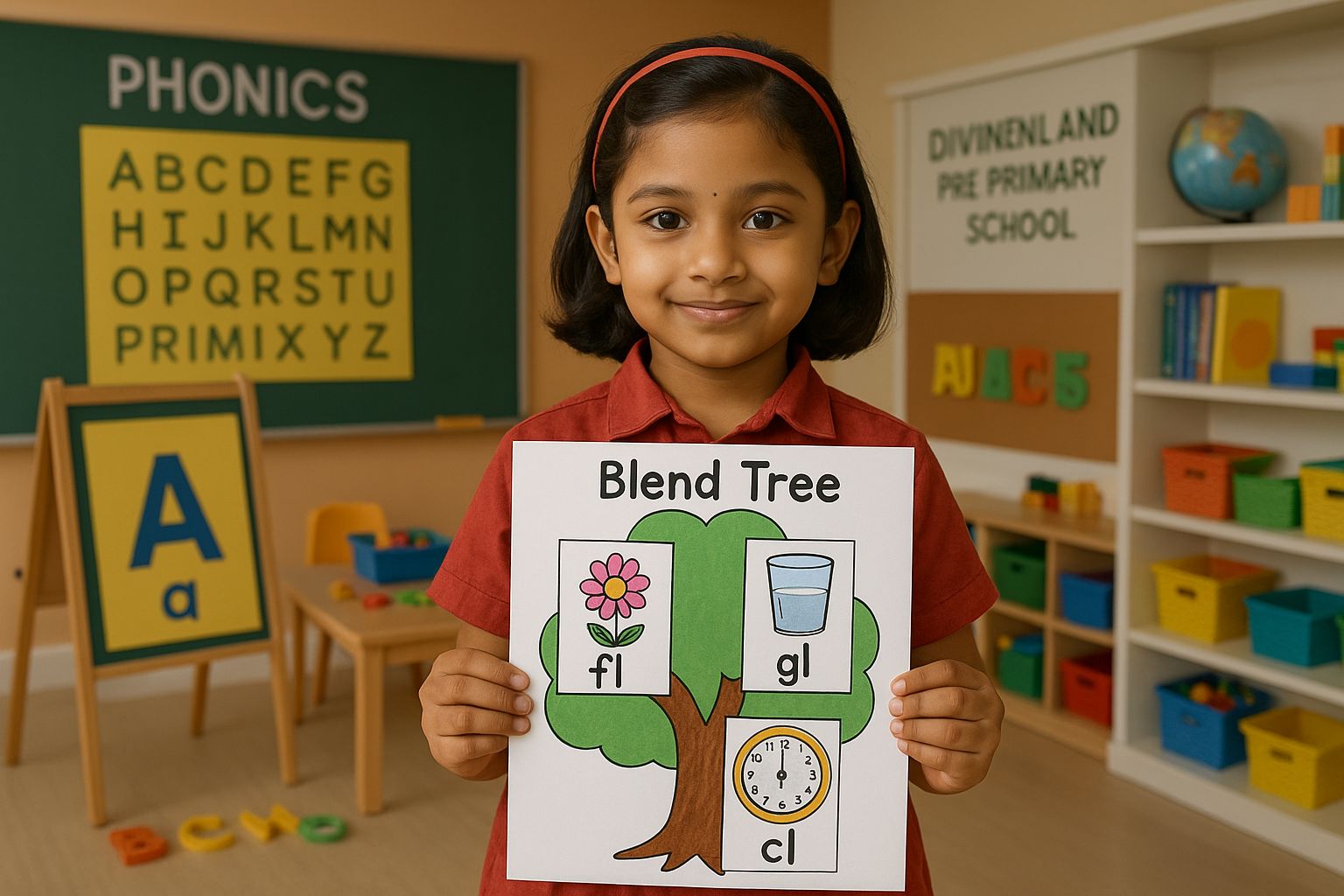
Enhances Pronunciation and Speaking Skills
Another benefit of Studying Phonics is that it might help you speak and pronounce words better. Kids can say words more clearly when they understand the sounds of letters and blends.
Students learn how words sound through phonics activities like reading aloud, playing sound games, and rehearsing words on a regular basis. This knowledge makes them more confident in speaking, which helps them communicate better in school and in everyday life.
Supports Early Writing Development
Writing is easier for kids when they know how letters and sounds work together. Kids learn phonics to help them understand the sounds they hear in words and how to write them down.
For example, when a child hears the word “cat,” they can hear the sounds /c/, /a/, and /t/. In Phonics Learning, they learn how to write the letters that go with these sounds. This method helps kids learn to write early on and makes them want to say what they think in short sentences.
Builds Confidence in Learning
When kids can read and understand words on their own, they often feel better about themselves. Phonics Learning teaches kids how to read new words on their own, so they don’t always require guidance from adults.
Phonics Learning helps them learn to read well, which makes them feel more sure of themselves. They are more inclined to read books, do things in class, and practice their language skills on a regular basis.
Strengthens Listening Skills
Paying attention to sounds is an important part of language development. Phonics Learning teaches students to listen to the sounds that make up words.
Kids pay more attention when they do things like discover the first sounds, match rhyming phrases, and split words down into their sound parts. Regular Phonics Learning helps kids get better at listening, which helps them read and converse.
Helps Students Read New Words Independently
Phonics Learning is also helpful since it teaches kids how to read words they don’t know without guessing. Kids learn new words by employing sound patterns instead of only pictures or their memories.
Kids may break long words into smaller sounds and read them one step at a time with the skills they learned in Phonics Learning. This strategy helps people learn to read and understand language better in general.
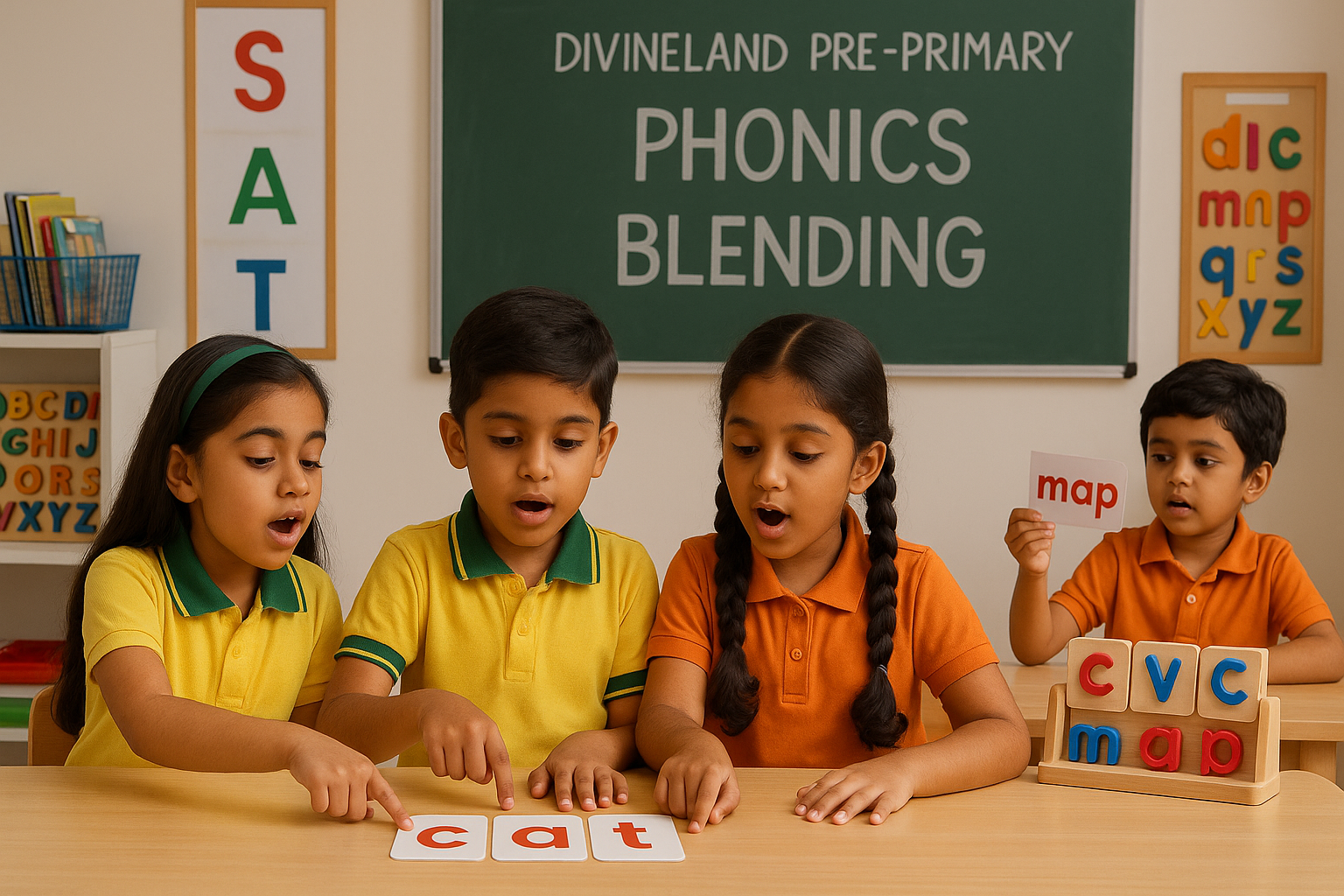
Makes Learning Fun and Engaging
Phonics Learning can be taught through many fun activities that keep children interested. Teachers and parents can use songs, flashcards, word games, and storytelling to make lessons enjoyable.
These activities allow students to practice Phonics Learning interactively. When learning feels enjoyable, children are more motivated to practice regularly and develop stronger literacy skills over time.
Creates a Strong Foundation for Future Education
Early literacy abilities have an impact on a child’s entire academic achievement. Students need phonics learning to do well in reading, writing, and language classes later on.
Kids who get regular Phonics Learning from a young age learn how to speak and write well, which helps them do well in school. These skills will still aid children as they get older and have to do more difficult reading and writing activities.
Strong reading and communication abilities are built on a foundation of proper instruction and consistent practice. Phonics instruction equips children with the ability to recognize sounds, read fluently, and cultivate robust language skills from the outset. A structured approach helps children feel more comfortable with reading and writing. If you’re seeking a supportive environment to help your child develop these essential skills, Divineland’s Phonics Classes might be an excellent option for enhancing their literacy and confidence.
Give your child a strong start in reading with Divineland’s Phonics Classes.
For Admission Details, Call or Whatsapp on +918850061389 / +918591021373.
Click Here, to download the brochure!
FAQs
When should Kids Start Learning Phonics?
Around the ages of 3 to 5, when kids start to recognize letters and sounds, they can start learning phonics. Practicing early helps children get better at reading and speaking.
Where can My Child Learn Phonics Effectively?
Children can develop strong reading skills through structured programs like Divineland’s Phonics Classes, where they practice letter sounds, word formation, and reading in a supportive environment.