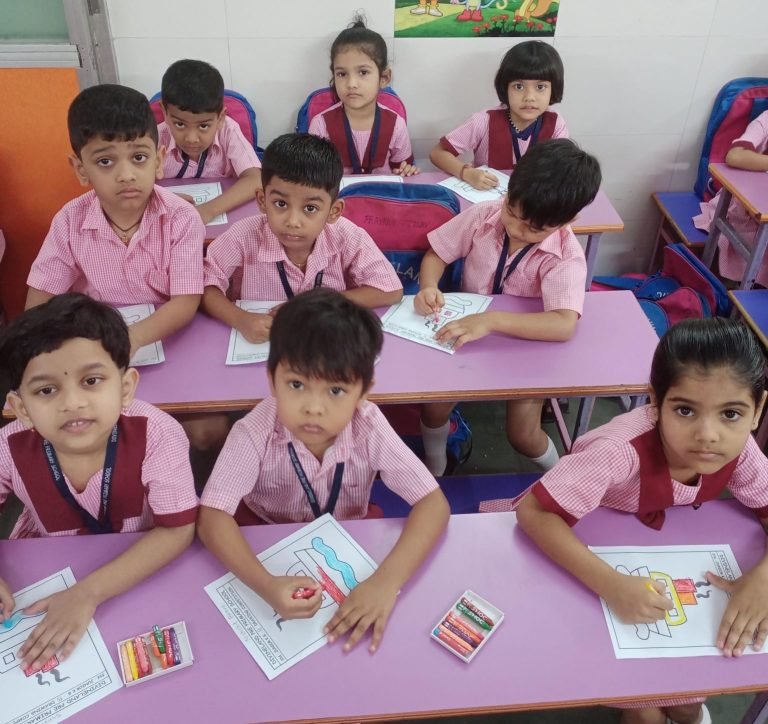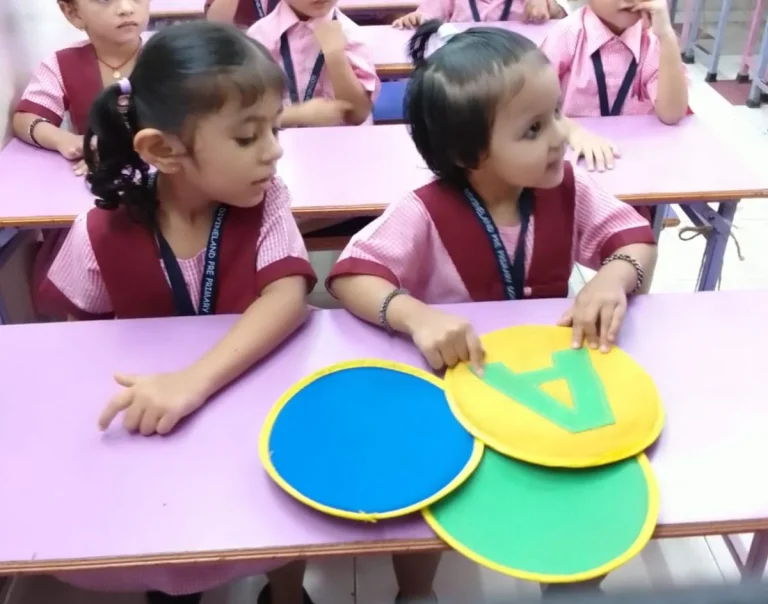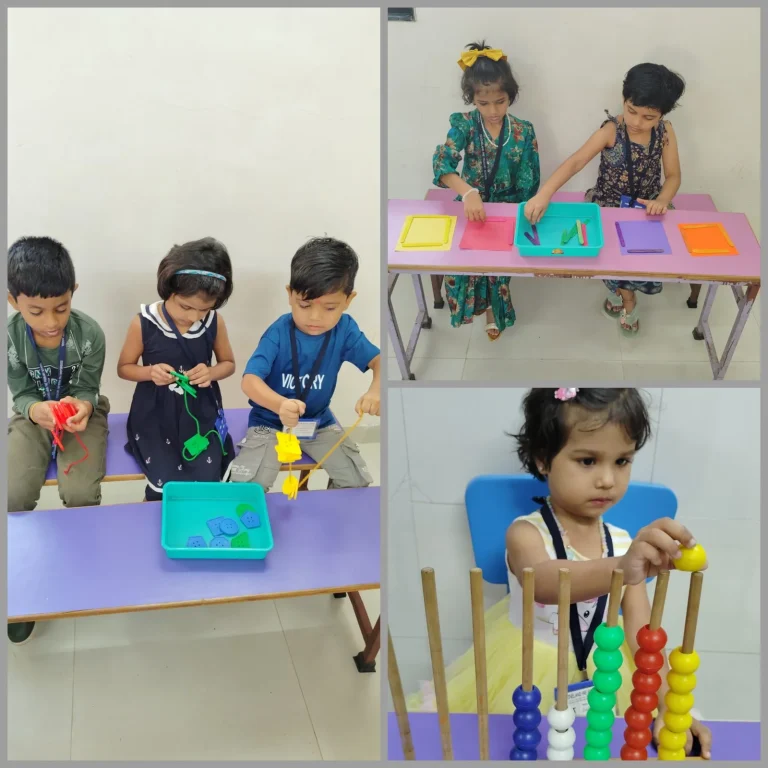
Using sight, sound, touch, and movement together in Multisensory Phonics Instruction helps children learn letter sounds in a fun and natural way. When learning seems like play, young kids learn better. Multisensory Phonics Instruction helps with this by making phonics more fun and participatory.
Multisensory Phonics Instruction helps kids learn to read by using actions, music, textures, and pictures. It also keeps them interested, confident, and eager to learn.
What is Multisensory Phonics Instruction?
Multisensory Phonics Instruction is a way of teaching phonics to young children that uses more than one sense at a time. Kids learn to connect letter sounds by seeing, hearing, touching, and moving in Multisensory Phonics Instruction. This makes it easier for them to understand and remember what they learn. This strategy helps young learners by making phonics practice an active activity instead of a passive one.
With Multisensory Phonics Instruction, kids:
- Use charts, cards, and picture books to see letters.
- Listen to sounds by singing, rhyming, and repeating them
- Use your fingertips, sand, or other rough objects to trace the shapes of letters
- Get them to move their body by doing things, playing games, and listening to sounds.
Multisensory Phonics Instruction makes phonics education interesting, lively, and stress-free for preschoolers by using all of their senses. Multisensory Phonics Instruction uses this fun way of learning to boost kids’ confidence and keep them engaged while they learn to read well early on.
Key Elements of Multisensory Phonics Learning
The goal of multisensory Phonics Learning is to assist young kids in understanding letter sounds by giving them fun and active experiences. Multisensory phonics uses a variety of ways to teach phonics so that preschoolers can see, hear, touch, and move while they learn. This method helps people understand better and remember things for a long time.
Learning by seeing
Kids can learn to recognize letters and correlate them with sounds through visual exercises. Visual aids make learning clear and fun in Multisensory Phonics Instruction.
- Flashcards with pictures and letters
- Picture books that show how sounds work in words
- Charts of colourful letters at eye level
Learning through hearing
Listening is very important for early phonics development. Phonics instruction includes exercises that involve sound to help kids improve their listening and speaking skills.
- Songs that repeat the sounds of letters
- Using rhymes and repeating sounds to help remember things
- Telling stories that focus on the noises at the beginning and finish
Learning by Touch
Children may feel the shapes of letters when they do activities that include touch. Multisensory Phonics Instruction helps students learn how to create and recognize letters by using their sense of touch.
- Writing letters in sand or clay
- Using foam or fabric letters with textures
- Writing letters with your fingers to link movement with learning
Learning by doing
Moving around keeps children busy and focused. Body-based activities that make phonics fun are part of Multisensory Phonics Instruction.
- Jumping on letter mats and making sounds
- Making noises by doing simple things
- Games that teach the alphabet while having fun
Multisensory phonics helps kids learn to read and write by integrating various things. It also keeps them interested and confident.
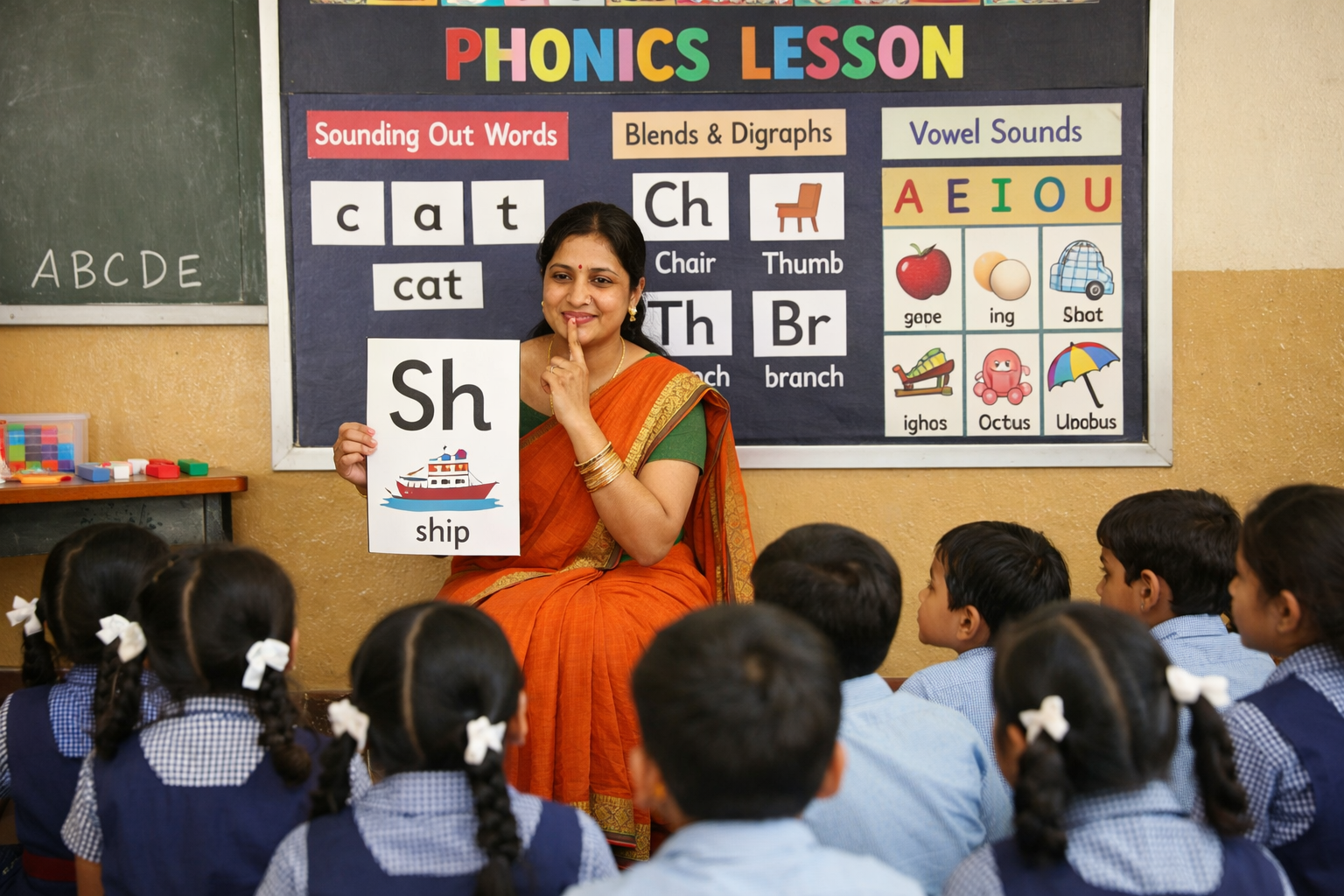
Role of Multisensory Phonics in Early Literacy
Multisensory Phonics Instruction is a key part of helping preschoolers develop excellent early literacy skills. Kids learn letter sounds better and keep them longer when they see, hear, touch, and move them. It helps young students by making phonics useful and easy to remember.
Multisensory Phonics Instruction is employed in Divineland’s Phonics Classes to assist kids in mastering the skills they need to be confident when they start school. This method gets children ready for school by concentrating on important literacy skills, such as:
- Getting ready for kindergarten: It helps kids learn to recognize letters, sounds, and simple words, which makes the move to kindergarten easier.
- Early reading and writing skills: Kids learn how to mix sounds, make letters, and recognize basic word patterns through Multisensory Phonics Instruction.
- Better pronunciation and listening skills: Phonics instruction uses songs, sound exercises, and repetition to help people speak more clearly and listen more carefully.
Multisensory Phonics Instruction helps young learners become more confident and curious by mixing entertaining activities with disciplined learning. Divineland’s Phonics Classes use this strategy to help kids build a strong base for reading, writing, and clear communication from a young age.
Give your child a strong reading starts with Divineland’s Phonics Classes!
For Admission Inquiry, Call or Whatsapp on +918850061389 / +919082778693!
Click Here, for downloading the brochure!
FAQs
How can Teachers and Parents Use Multisensory Phonics?
Teachers and parents can use songs, actions, tracing, tales, and games to teach letter sounds. This helps kids learn phonics in a natural way while they play.
How can Divineland's Phonics Classes Help with Multisensory Phonics Instruction?
Divineland's Phonics Classes employ songs, motions, pictures, and hands-on activities to teach children how to read, listen, and joyfully pronounce words.