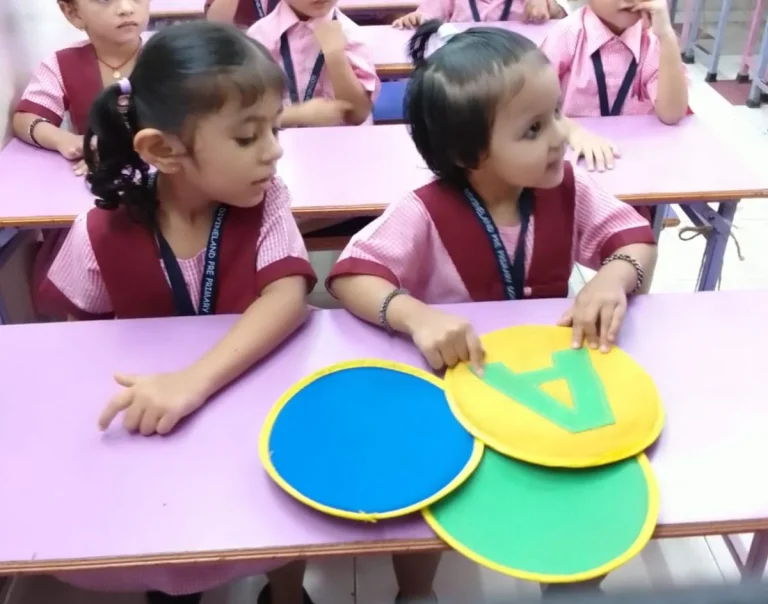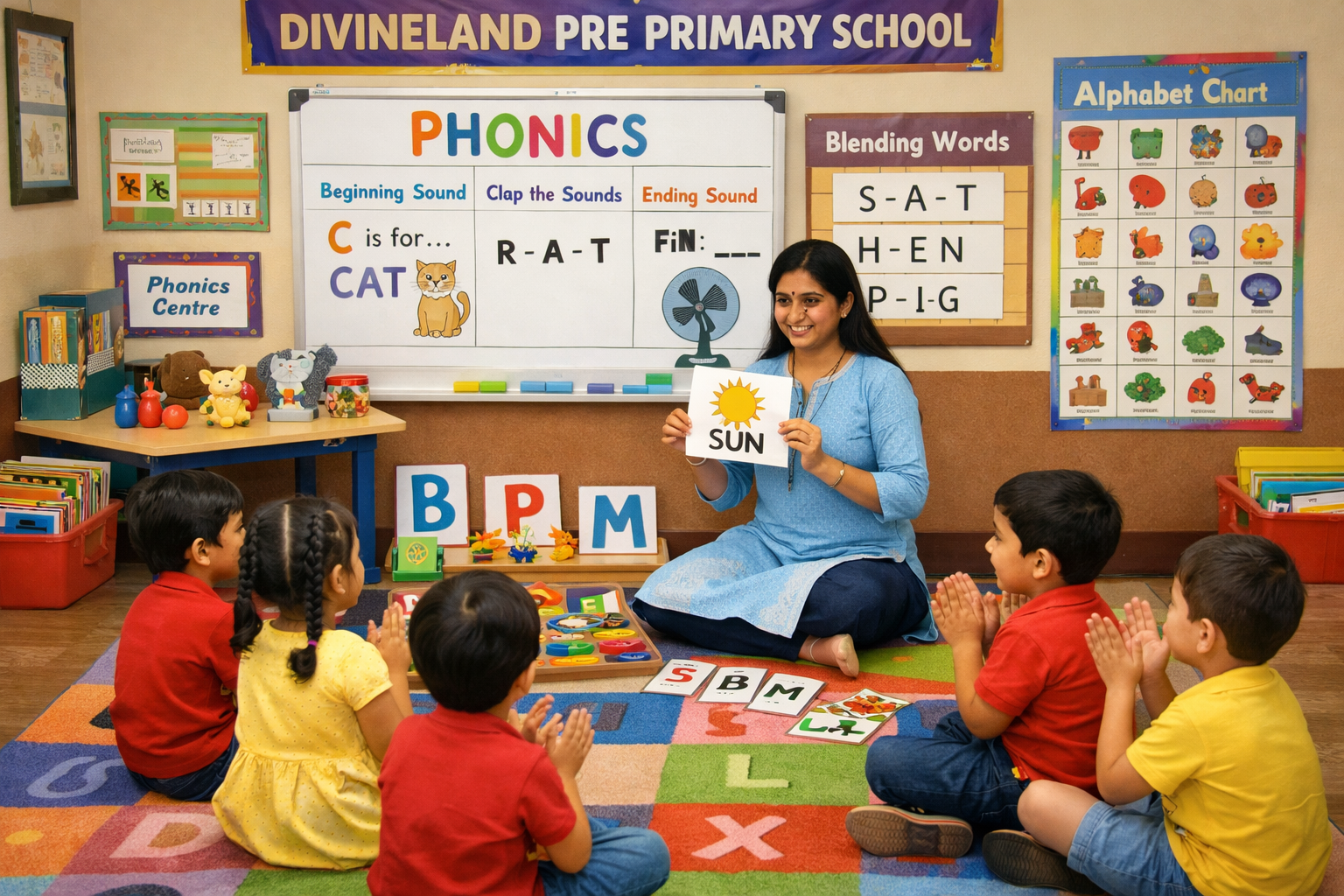
Phonics for Beginners is a simple and useful technique to teach young kids how letters and sounds work together to make words. Kids learn to read with confidence when their parents and instructors use Phonics for Beginners because it helps them connect each sound to the proper letter pattern. Phonics for Beginners helps early readers create good reading habits, enhance their pronunciation, and enjoy learning at their own speed.
Understanding Sounds Before Letters
Phonics for Beginners starts with the idea that children should first hear and recognize sounds before connecting them to written letters. Every word is made of sounds, and helping kids identify these sounds makes reading easier.
- Children learn simple sounds such as /a/, /m/, /s/, and /t/.
- They practice by listening to words, clapping for each sound, or identifying beginning and ending sounds.
- This step in Phonics for Beginners builds strong listening skills, which improve the child’s ability to decode words later.
By focusing on sounds first, Phonics for Beginners allows children to understand how spoken language connects to written text.
Introducing Letter-Sound Relationships
Phonics for Beginners teaches kids which letters go with the sounds they hear after they learn to recognize them. This is a critical step because it connects what they hear to what they see.
- Kids discover that “a” sounds like “a” in apple and “m” sounds like “m” in moon.
- They practice writing the letters, tracing patterns, and saying them out loud.
- Learning is more fun when you do things like tracing in sand, writing in the air, or using flashcards.
This portion of Phonics for Beginners helps kids learn that letters and numbers stand for genuine sounds.
Blending Sounds to Form Words
Blending is the most important part of Phonics for Beginners because it helps kids learn how to read whole words, not just letters. Blending is the act of putting sounds together in a way that makes a word.
For instance:
- /c/ + /a/ + /t/ = cat
- /s/ + /i/ + /t/ makes sit
Phonics for Beginners helps kids learn blending by using simple three-letter words over and over again. Over time, kids learn to read small sentences. This makes them feel good about their progress and gives them confidence.
Segmenting Words to Strengthen Spelling Skills
Segmenting helps with spelling, whereas blending helps with reading. Phonics for Beginners shows kids how to break a word down into its sounds and write the letters that go with each sound.
For instance:
- The word “dog” becomes /d/ /o/ /g/.
- Kids write each sound down in order.
Some of the segmenting games in Phonics for Beginners are:
- Tapping fingers for each sound
- Using counters for each note
- Slowly stretching a word to hear all of its sounds
This helps kids get better at writing and understanding how words are put together.
Learning Common Phonics Patterns
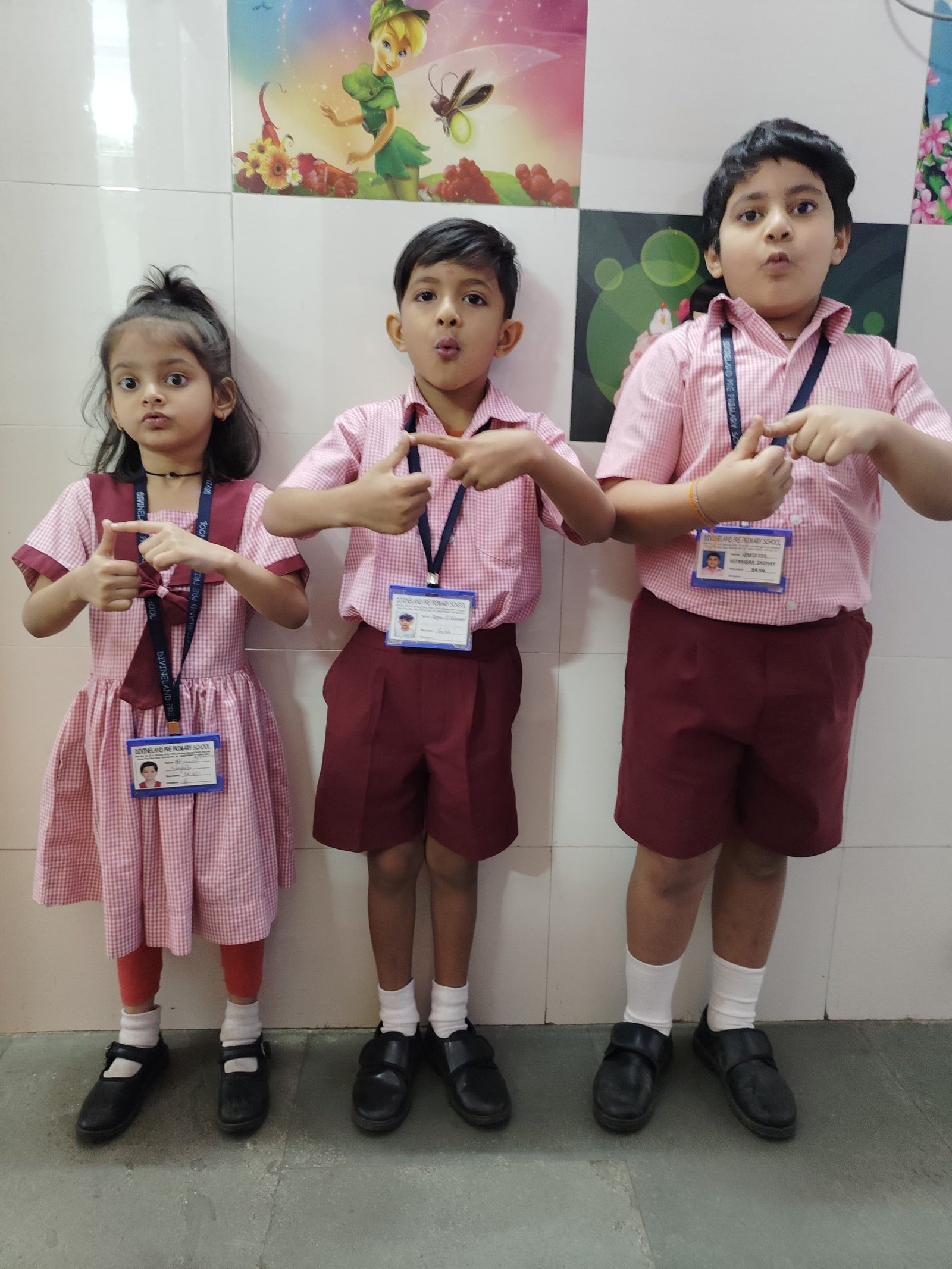
Phonics for Beginners teaches kids simple patterns after they have learned how to make sounds and blend them.
- CVC words (cat, bed, sun)
- Digraphs like sh, ch, th
- Double letters like ss, ll, ff
- Long vowel patterns like ai, ee, oa
Phonics for Beginners breaks these patterns down into small steps so kids can see them in books. Kids can read faster and more accurately if they know how to spot patterns.
Building Vocabulary Through Reading Practice
Reading practice is an important part of Phonics for Beginners because it helps kids implement what they’ve learned in real life. People who are just starting out read simple books that use sounds and patterns they already know.
- Reading the same things over and over again helps kids read well.
- Picture cues help kids guess what something means.
- Short, easy-to-read books build confidence.
Phonics for Beginners tells adults to read with the child every day. Just five minutes a day can make a major impact in how well you read and how much your vocabulary grows.
Encouraging Writing Along with Reading
Writing practice is part of Phonics for Beginners since it helps with remembering. Kids recall words better when they write them down.
Some things you might do are:
- Writing CVC words on little boards
- Copying simple sentences
- Drawing pictures and putting labels on them
- Writing tale starts
Kids learn how to spell and write letters correctly by writing often, which is what Phonics for Beginners teaches.
Using Fun and Interactive Activities
- Phonics for Beginners works best when learning is fun. Kids learn faster when they are busy and involved.
- Some fun activities are: sound-matching games, letter hunts, construction with magnetic letters, sound bingo, rhyme sorting, and blending races.
- These activities make Phonics for Beginners fun and stress-free, which makes kids want to learn new words.
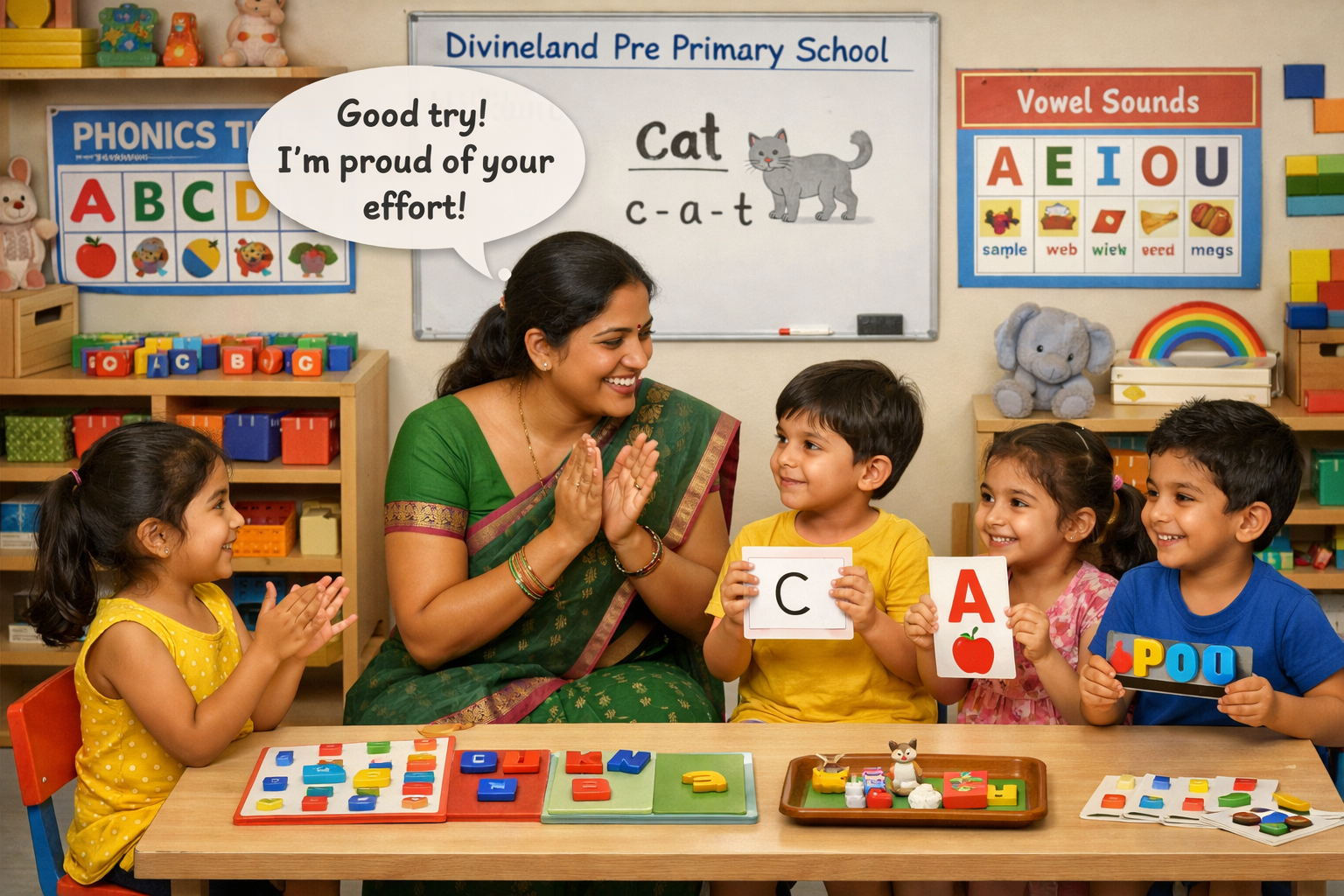
Creating a Supportive Learning Environment
For Phonics for Beginners to work, you need to be in a supportive setting. Kids require support, time, and practice on a regular basis.
Adults should:
- Not just praise accurate answers, but also effort
- Gently repeat lessons when necessary
- Keep sessions brief and positive
- Give books that are at the child’s level
- Don’t force the child to read if they are feeling overwhelmed.
Phonics for Beginners works better when kids are comfortable and motivated.
Consistency Is the Key to Reading Success
When you Practice Phonics for beginners often, it works well. Short, everyday exercises help kids memorize sounds and patterns. As time goes on, kids get better at reading and feel surer of themselves.
Phonics for Beginners is more than simply a way to teach; it’s a step-by-step process that helps kids learn how language works. This method gets young readers ready for a lifetime of learning by giving them patient direction, fun activities, and regular practice.
Phonics for Beginners gives kids the strong foundation they need to read clearly and with confidence. Every kid may learn important reading and writing skills at their own pace with the correct help and fun activities. Divineland’s Phonics Classes are the best way to help your kid become a proficient, happy reader. They offer the assistance and disciplined instruction they need. Sign your child up today so they may create a strong base for reading success for the rest of their life.
Give your child a strong reading start—join Divineland’s Phonics Classes!
To enroll in Divineland’s Phonics Classes, Call or Whastapp on +918591021373 / +919082778593.
Click Here, for downloading the brochure!
FAQs
Why is phonics important for kids who are just starting to learn?
Phonics helps kids learn how to read by teaching them how to distinguish sounds, blend words, and read on their own with better fluency and comprehension.
Where can my child learn phonics in a way that works?
Your child may study Phonics well at Divineland's Phonics Classes, which are fun and help them acquire solid reading skills one step at a time.